Pantry Inventory Basics: Knowing What You Have
A pantry inventory can be as light as a running-low list on the door or as full as a written count by zone. Compare three levels, see what each costs in effort and pick the one you will keep up.

Buying a third jar of cumin while the pasta runs out is not a memory problem. It is what happens when the only record of what is in the pantry is the pantry itself, and you are standing in a store aisle far away from it.
A pantry inventory is any reliable way of knowing what you have without digging through the shelves. It does not have to be a spreadsheet with every can counted, and the lightest version that works is the right one to choose.
Three levels of inventory
Think of inventory as three levels, each adding detail and effort to the one before.
- Level 1: a visible pantry plus a “running low” list. The shelves themselves are the inventory, and a short list catches what is about to run out.
- Level 2: a staples list with minimums. A written list of the dozen or so foods you always want in the house, each with the smallest amount you like to keep, checked before shopping.
- Level 3: a full written inventory by zone. Every item and quantity recorded, shelf area by shelf area.
Start at level 1 and move up only when it keeps failing.
Level 1: see everything, list what is low
If you can see every item when you open the door, you can answer “do we have any?” in seconds. That depends on how the shelves are arranged: nothing hidden behind something taller, one kind of food per row, opaque bins labeled. The guide to pantry visibility explains how to set that up.
The second half is the list. Hang a notepad or small whiteboard inside the pantry door, or keep a shared note on your phone, and agree on one rule: whoever opens the last package, or sees that something is nearly gone, writes it down at that moment. The list then becomes the base of the next shopping list.
What it costs: almost nothing once the shelves are arranged. The only ongoing effort is the few seconds it takes to write an item down.
Level 2: a staples list with minimums
Level 1 relies on someone noticing. Level 2 adds a check. Write down the foods your household would be annoyed to run out of, usually a dozen or so, and beside each one note where it lives and the minimum you like to have on hand.
The minimum is a personal number, not a rule. Set each one by asking how inconvenient it would be to run out before the next shopping trip.
Before you shop, walk the list with the pantry door open. Anything below its minimum goes on the shopping list.
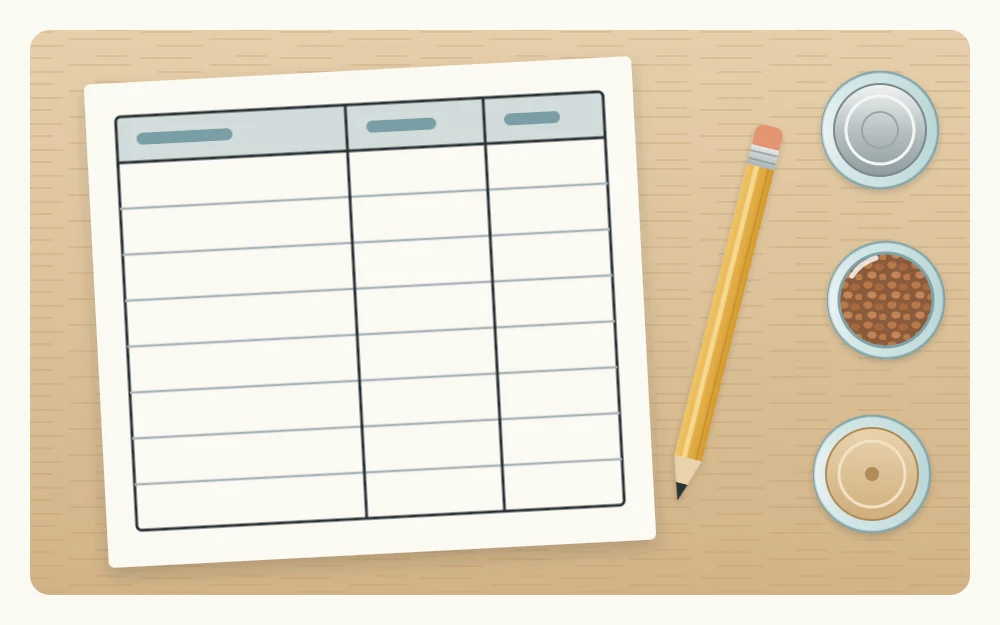
A sample staples table
Use this as a pattern and replace the rows with your own foods and amounts.
| Item | Where it lives | Minimum to keep |
|---|---|---|
| Rice | Dry goods zone, middle shelf | One container in use, one bag spare |
| Pasta | Dry goods zone, middle shelf | Two packages |
| Canned tomatoes | Canned goods zone, lower shelf | Three cans |
| Coffee | Breakfast zone | One unopened bag |
What it costs: half an hour or so to write the list the first time, a few minutes before each main shopping trip, and a quick revision whenever your cooking habits change.
Level 3: a full written inventory by zone
A full inventory records every item and its quantity, grouped by zone so the list follows the shelves. It earns its effort in three situations:
- A large pantry, where you cannot take in the contents at a glance.
- Bulk buying, where you hold many units of the same item and want to know the count before the next large purchase.
- A separate backstock area. Backstock means unopened spares kept apart from the food in daily use, often in a basement, garage or hall closet. Because you do not see it every day, a written count is the only reminder that it exists.
To set it up, go zone by zone and write each item with its quantity. Then comes the part that decides whether it works: every time something is added or removed, the list changes too, so keep the list where the food is stored. How to arrange and track spares is covered in the guide to pantry backstock.
What it costs: an hour or more to create for a large pantry, then a small update with every use. That ongoing step is where most full inventories fail.
Paper, whiteboard or shared note
The format matters less than whether it sits where you will use it.
- Paper on a clipboard hung on the door is the simplest. Everyone can use it, it needs no device, and a pencil on a string removes the usual excuse. Rewrite it when it gets messy.
- A whiteboard suits a running-low list, because items are wiped off once bought. It is less suited to a long staples list that should stay put.
- A shared note or spreadsheet travels to the store with you and can be edited by everyone in the household. It only works if people open it at the pantry door, which is a harder habit than picking up a pencil.
Be honest about what you will keep up
Most households only keep up level 1 or level 2. That is not a failure; it is the amount of record keeping that fits around ordinary life.
Good to know
A list that is not maintained is worse than none. If the inventory says there are four cans of beans and the shelf holds none, you will trust the list, skip the purchase and come up short. If you stop updating a list, take it down and return to a lighter level.
Two things keep any level alive. Tie the update to an action that already happens, such as opening the last package, and fold a check of the list into your regular tidy, as described in the pantry maintenance routine, so errors are corrected before they pile up.
Use the inventory before you shop
An inventory is most useful in the ten minutes before a shopping list is written. Look at what you already have and plan a few meals around it, starting with opened packages and the older items at the front. Then list only what those meals still need, plus any staples below their minimum.
The FDA’s tips to reduce food waste make the same point: checking what is on hand and planning meals around it before you shop helps cut down on what gets thrown away.
Frequently asked questions
Do I need to write down everything in the pantry?
Usually not. If your shelves are arranged so you can see every item, a short list of what is running low covers most households. A full written count is mainly worth the effort for a large pantry, for bulk buying or for spares stored in a separate area that you do not see daily.
What is the easiest way to keep a pantry inventory up to date?
Tie the update to something that already happens. Write an item down the moment you open the last package, and review the list while you write the shopping list. Keeping a pencil and paper at the pantry door makes this easier than a list that lives somewhere else.
How do I decide the minimum amount of each staple to keep?
Ask how often you use the food and how inconvenient it would be to run out before your next shopping trip. For something used several times a week, one in use plus one spare is a common starting point. For something used rarely, the minimum can simply be the package you have open.


