
The Air Inside Your Home May Be Harming You Right Now
Plants combat indoor chemical fumes more effectively than most people realize — and the right ones can make a real difference in your home.
Here are the best air-purifying plants to filter indoor chemical fumes:
| Plant | Key Toxins Removed |
|---|---|
| Spider Plant | Formaldehyde, carbon monoxide, xylene, benzene |
| Snake Plant | Benzene, formaldehyde, trichloroethylene, xylene |
| Peace Lily | Benzene, formaldehyde, ammonia, trichloroethylene |
| Bamboo Palm | Formaldehyde, benzene, xylene, toluene |
| Golden Pothos | Formaldehyde, benzene, xylene, toluene, trichloroethylene |
| Rubber Tree | Formaldehyde, mold spores, bacteria |
| Dracaena | Benzene, trichloroethylene, formaldehyde |
Think about what’s inside your home right now. New furniture. Fresh paint. Cleaning sprays under the sink. Plastic bags. Even your gas stove.
All of these release Volatile Organic Compounds — or VOCs. These are invisible chemicals that vaporize at room temperature and linger in the air you breathe every day.
The numbers are sobering. Indoor air can be 2 to 5 times more polluted than outdoor air. Some estimates put it even higher — up to 10 times worse in newly renovated buildings. People spend more than 80% of their time indoors, which makes this a genuine health concern, not just a talking point.
Short-term VOC exposure can cause headaches, dizziness, and lightheadedness. Long-term? We’re talking potential liver and kidney damage, nervous system harm, and in some cases, cancer.
This is sometimes called Sick Building Syndrome — a real phenomenon where the building itself makes occupants unwell, often without them knowing why.
The good news: certain houseplants are surprisingly powerful at pulling these toxins out of the air. NASA research identified dozens of common indoor plants capable of filtering specific chemical pollutants — and some work fast. Spider plants, for example, removed 95% of chemicals from the air within 24 hours in NASA testing.
The even better news for busy homeowners? Most of these plants are low-maintenance, affordable, and genuinely good-looking.

Plants combat indoor chemical fumes definitions:
- air purifying plants gift ideas
- best plants for indoor air quality and pet-friendly
- easy care air cleaning plants
Understanding How Plants Combat Indoor Chemical Fumes
To truly appreciate our leafy roommates, we need to look at the science of phytoremediation. This is the fancy term for how plants use their biological processes to clean up the environment. When we say plants combat indoor chemical fumes, we aren’t just talking about them smelling nice; they are active chemical processing plants.
The Leaf-to-Root Cleaning System
Plants “breathe” through tiny pores on their leaves called stomata. During photosynthesis, they inhale carbon dioxide, but they also pull in airborne toxins like formaldehyde and benzene. Once inside the leaf, these chemicals are either broken down by plant enzymes or sent down to the roots.
However, the real magic often happens below the soil line. The rhizosphere—the area of soil immediately surrounding the plant roots—is home to millions of helpful microorganisms. These microbes actually “eat” the toxic chemicals, converting them into nutrients for the plant. This is why some researchers suggest that the potting soil and its microbes are just as important as the leaves themselves.
The “Toxic Trio” and More
Research has shown that plants are particularly effective against the most common indoor pollutants:
- Formaldehyde: Found in particleboard, carpets, and even facial tissues.
- Benzene: A known carcinogen found in dyes, lubricants, rubbers, and detergents.
- Trichloroethylene: Often found in printing inks, paints, lacquers, and adhesives.
A fascinating study on the ability of indoor plants to absorb and purify benzene pollution found that species with succulent or leathery leaves are often the champions of benzene removal. If you want to purify indoor air naturally, understanding these mechanisms helps you choose the right “tool” for the job.
Top Air-Purifying Powerhouses to Filter Your Home
When you decide to buy plants to filter fumes, you aren’t just decorating; you’re installing a biological filtration system. The gold standard for this research remains the NASA Clean Air Study, which proved that common houseplants could significantly reduce indoor air pollution in sealed environments.
The Heavy Hitters
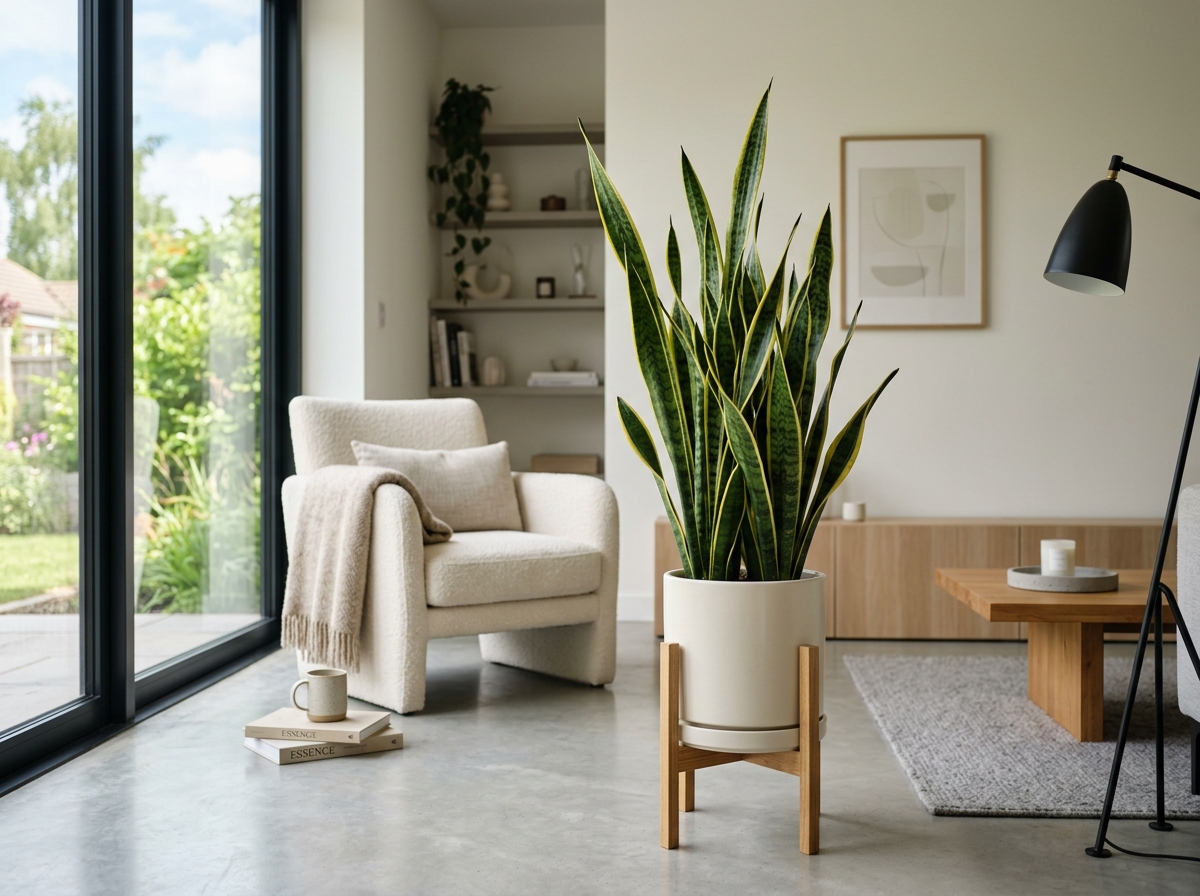
- Snake Plant (Sansevieria): Known as “Mother-in-Law’s Tongue,” this plant is a powerhouse. Unlike most plants, it converts CO2 to oxygen at night, making it perfect for bedrooms. It’s a champion at filtering benzene, formaldehyde, and xylene.
- Peace Lily (Spathiphyllum): This elegant plant is one of the few air purifiers that also flowers. It excels at removing alcohols, acetone, and ammonia.
- Bamboo Palm: This plant acts as a natural humidifier, pumping moisture back into the air while scrubbing out formaldehyde and benzene.
- Rubber Tree (Ficus elastica): These plants are famous for their large, waxy leaves. Research suggests they can remove mold spores and bacteria from the air by up to 60%.
To help you decide, here is a breakdown of the best plants for air quality based on their specific strengths:
| Plant Species | Best For Removing | Light Needs |
|---|---|---|
| Aloe Vera | Benzene, Formaldehyde | Bright, Direct |
| Boston Fern | Xylene, Toluene | Indirect, High Humidity |
| English Ivy | Mold, Fecal Matter | Medium to Bright |
| Chinese Evergreen | Benzene, CO | Low to Medium |
| Areca Palm | Toluene, Xylene | Bright, Indirect |
Why Spider Plants Combat Indoor Chemical Fumes So Effectively
If there were an “All-Star” team for air purification, the Spider Plant (Chlorophytum comosum) would be the captain. NASA’s study famously showed that spider plants were able to remove 95% of chemicals from a sealed plexiglass chamber within just 24 hours.
They are particularly effective at targeting carbon monoxide and xylene. If you have an attached garage or use a gas stove, having a few spider plants nearby is a smart move. They are also incredibly resilient and produce “babies” (spiderettes) that you can easily propagate to fill every room in your house.
Best of all for families, they are completely non-toxic. You can breathe easier with these spider plant air quality tips knowing your curious cat or toddler is safe around them.
Using Dracaena and Pothos to Help Plants Combat Indoor Chemical Fumes
Two other “powerhouses” deserve a spot in your home: Dracaena and Pothos.
Dracaena “Janet Craig” is a heavy lifter when it comes to benzene. In fact, studies have shown it can clean around 78% of the benzene in the air within a single day. Recent scientific reports on environmental modulation show that these plants can adapt their purification rates based on the temperature and humidity of the room, making them very reliable.
Golden Pothos is the ultimate “beginner” plant. It is nearly impossible to kill and thrives in low-light conditions. Despite its ease of care, it is highly efficient, having been shown to reduce indoor air pollution by up to 52%. Because they are small air cleaning houseplants that love to vine, they are perfect for high shelves where they can catch rising fumes.
Maximizing Efficiency: Care Tips and Strategic Placement
Simply buying the plants isn’t enough; you have to keep them healthy so they can keep you healthy. A dying plant isn’t doing much “phytoremediation.”
The Golden Rules of Plant Care
- Light Matters: Most air-purifying plants prefer bright, indirect sunlight. If you put a sun-loving Aloe in a dark corner, its metabolism slows down, and so does its air-cleaning ability.
- Don’t Overwater: This is the #1 killer of houseplants. Overwatering leads to root rot, which destroys the rhizosphere microbes we need to eat those VOCs.
- Keep Leaves Clean: Dust can clog the stomata (pores) of your plants. Wipe the leaves down with a damp cloth every few weeks so they can breathe—and clean—effectively.
- Humidity: Tropical plants like the Bamboo Palm or Boston Fern love humidity. If your home is dry, consider misting them or placing them in a bathroom.
Strategic Placement
To get the most out of your greenery, experts recommend at least 2 to 3 plants per 100 square feet.
- The Kitchen: Place a Spider Plant or English Ivy here to tackle carbon monoxide and cleaning chemical fumes.
- The Bedroom: Use a Snake Plant or Peace Lily to boost oxygen levels while you sleep.
- The Home Office: Dracaena is great here, as some studies suggest it can also help improve attention spans and memory.
As your plants grow, their roots will need more space to support the microbes. Regularly repotting air purifying plants ensures they stay in peak fighting shape. If you have a room with no windows, don’t worry—there are plenty of low light air purifying plants like the ZZ plant or Pothos that can handle the gloom.
Plants vs. Mechanical Air Purifiers: A Combined Strategy
A common question we hear is: “Can I just use plants instead of an air purifier?”
The honest answer is that they work best as a team. Mechanical air purifiers with HEPA filters are incredible at removing particulate matter—things like dust, pollen, and smoke. However, many basic filters struggle to trap tiny gas molecules like VOCs. This is where plants shine.
Why You Need Both
- Efficiency: Mechanical purifiers offer immediate, high-volume air cleaning. Plants are slower but work 24/7 without using a drop of electricity.
- Humidity and Mood: A machine won’t boost your mood or regulate humidity, but a Rubber Tree will.
- Comprehensive Coverage: While a purifier catches the dust, your plants are busy scrubbing the benzene from your new carpet.
A comparative evaluation of phytoremediation highlights that while plants have limits in very high-pollution environments (like a chemical lab), they are a perfect, sustainable bio-filter for the average home. When you combine them with good ventilation and a well-maintained HVAC system, the air purification benefits of houseplants become the “secret sauce” for a healthy home.
Frequently Asked Questions about Air Purifying Plants
What are the most common VOCs found in modern homes?
The most prevalent VOCs are formaldehyde (found in furniture, glues, and permanent-press fabrics), benzene (found in plastics, detergents, and tobacco smoke), and xylene (found in paints and varnishes). Toluene and trichloroethylene are also common in household solvents and adhesives.
How many plants do I need to effectively clean a standard room?
For a standard 10×10 room (100 square feet), you should aim for 2 to 3 medium-to-large plants. If you are using smaller 4-inch pots, you may need closer to 5 or 6 to see a measurable difference in air quality.
Which air-purifying plants are safe for households with pets?
This is a vital question! While the Peace Lily and Dracaena are great purifiers, they can be toxic if chewed by pets. The best pet-safe options include the Spider Plant, Bamboo Palm, Boston Fern, and Areca Palm. For a full list, check out the best air purifying plants that won’t piss off your pets.
Conclusion
At the end of the day, bringing plants into your home is about more than just “scrubbing” the air. It’s about creating an environment where you can thrive. Beyond the fact that plants combat indoor chemical fumes, they have been scientifically proven to reduce stress, lower blood pressure, and improve mental well-being.
Whether you start with a single, unkillable Pothos or turn your living room into a lush jungle, every leaf helps. By combining the natural power of phytoremediation with smart home habits—like opening windows for ventilation and using natural cleaning products—you can breathe easy knowing your air is as clean as it can be.
Ready to start your indoor garden? Check out our top picks for indoor plants for clean air and start your journey toward a toxin-free home today. At Financedora, we believe a healthy home is the best investment you can make.
