
Your Air Is Dirtier Than You Think — These Plants Can Help
The best indoor plants for clean air are the Snake Plant, Peace Lily, Spider Plant, Boston Fern, and Golden Pothos — all backed by NASA research for removing common household toxins.
Top 5 Air-Purifying Indoor Plants at a Glance:
| Plant | Key Toxins Removed | Light Needs | Maintenance |
|---|---|---|---|
| Snake Plant | Formaldehyde, benzene, xylene, toluene | Low to bright indirect | Very low |
| Peace Lily | Formaldehyde, benzene, trichloroethylene | Low to medium indirect | Low |
| Spider Plant | Formaldehyde, xylene | Medium to bright indirect | Low |
| Boston Fern | Formaldehyde, xylene | Indirect/humid | Medium |
| Golden Pothos | Formaldehyde, benzene, xylene | Low to medium indirect | Very low |
Most people know outdoor air pollution is a problem. But the air inside your home can actually be worse.
Furniture, flooring, cleaning products, and building materials constantly release invisible chemicals called Volatile Organic Compounds (VOCs) — things like formaldehyde, benzene, and trichloroethylene. The EPA lists indoor air pollutants among the top five threats to public health in the United States.
In 1989, NASA studied this problem seriously. Scientists wanted to find low-cost ways to clean air inside sealed space facilities. What they found changed how many of us think about houseplants: common indoor plants can absorb these toxic compounds through their leaves, roots, and surrounding soil.
This phenomenon — sometimes called phytoremediation — means that a well-chosen plant on your windowsill is doing more than just looking good.
The good news for busy homeowners? Many of the most effective air-cleaning plants are also the easiest to keep alive.
Indoor plants for clean air terms at a glance:
The Science of How Indoor Plants for Clean Air Work
When we talk about the Air Purification Benefits Of Houseplants, we aren’t just talking about aesthetics. There is a complex biological process happening right in your living room. According to the NASA Tested: Philodendron Ranks Top Air Purifier Plant research, plants act as living filters.
So, how do they do it? It starts with the stomata, the tiny pores on the surface of the leaves. During photosynthesis, plants “breathe in” carbon dioxide and other gases. Along with that air come harmful VOCs like formaldehyde, benzene, xylene, and trichloroethylene. Once inside the leaf, the plant breaks these toxins down and moves them to the root zone.
But the leaves don’t work alone. A massive part of the heavy lifting is done by soil microorganisms. These tiny microbes living around the plant’s roots have an incredible ability to adapt. Over time, they actually develop specialized enzymes to “eat” and neutralize toxic compounds, turning them into food for the plant.
Common Indoor Toxins and Their Plant Enemies
| Toxin | Common Sources | Best Plant “Assassin” |
|---|---|---|
| Formaldehyde | Particleboard, carpets, upholstery | Philodendron, Boston Fern |
| Benzene | Glues, paints, furniture wax | Snake Plant, English Ivy |
| Trichloroethylene | Printing inks, lacquers, adhesives | Peace Lily, Dracaena |
| Xylene & Toluene | Rubber, leather, tobacco smoke | Spider Plant, Areca Palm |
This biological life support system is so efficient that NASA even considered launching specific plants into space to help keep astronauts healthy during long-term missions.
Top NASA-Recommended Purifying Plants for Your Home
If you want to Purify Indoor Air Naturally, you should start with the “all-stars” of the plant world. These varieties have been tested in sealed chambers and proven to reduce pollutant levels significantly.
The Snake Plant (Dracaena trifasciata)
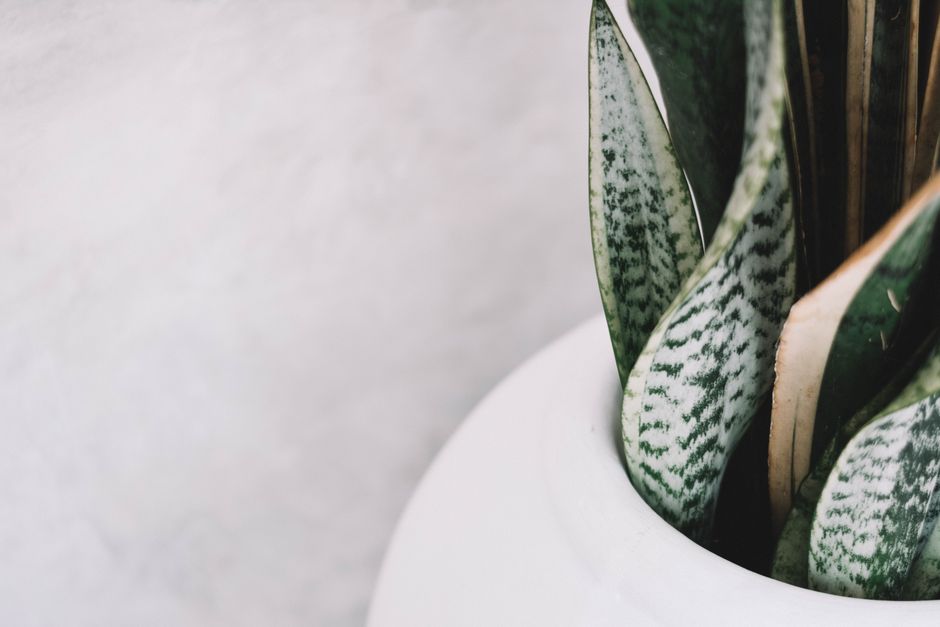
The Snake Plant is arguably the king of indoor plants for clean air. As noted in Sansevieria Care: The Almost Indestructible Plant That Improves Air Quality, this plant is nearly impossible to kill. It removes benzene, formaldehyde, trichloroethylene, xylene, and toluene. Interestingly, research from Snake plant – Dracaena trifasciata | Kew highlights that it was recently reclassified from the Sansevieria genus to Dracaena.
The Peace Lily (Spathiphyllum)
If you prefer Flowery Air Purifying Plants, the Peace Lily is your best bet. It is one of the few air purifiers that also produces beautiful white blooms. It’s a powerhouse at removing ammonia and trichloroethylene, though it does require a bit more water than the Snake Plant.
The Spider Plant (Chlorophytum comosum)
For those looking for Non-Toxic Air Purifying Plants, the Spider Plant is a safe and effective choice. It is particularly good at battling carbon monoxide and xylene. Plus, it produces “babies” (spiderettes) that you can easily propagate to fill every room in your house.
English Ivy (Hedera helix)
English Ivy is excellent for removing airborne mold particles, making it a great choice for bathrooms or damp basements. It’s one of the classic Houseplants That Remove Toxins and looks stunning when allowed to trail from a hanging basket.
Strategic Placement: Best Indoor Plants for Clean Air by Room
To get the most out of your greenery, you need to think about where each plant will thrive. Different rooms have different light levels and different types of pollutants.
Best Indoor Plants for Clean Air for Bedrooms
The bedroom is where we spend a third of our lives, so Plants For Clean Bedroom Air are a top priority. Most plants release CO2 at night, but a special group uses Crassulacean Acid Metabolism (CAM).
As explained in Snake Plant: Benefits, Types, Cautions, and How to Grow, Snake Plants and Aloe Vera actually open their stomata at night to absorb CO2 and release fresh oxygen. This can significantly improve sleep quality and ease respiratory issues. For more options, check out our list of Top Air Purifying Plants For Bedroom.
Top Indoor Plants for Clean Air for Low-Light Offices
Offices are often filled with printers, computers, and synthetic carpets that off-gas chemicals. If you’re stuck in a cubicle with no windows, you need Low Light Air Purifying Plants.
The ZZ Plant and Pothos are champions of the dark. We’ve seen How Plants Improve Office Air by reducing carbon monoxide and boosting employee concentration. Even Small Air Cleaning Houseplants on a desk can provide a much-needed productivity and mental health boost in a sterile Office Air Purifying Plants environment.
Essential Care and Maintenance for Air-Purifying Greenery
A sick plant isn’t an effective filter. To keep your indoor plants for clean air working at peak efficiency, you need to follow a few simple rules.
- Keep Leaves Clean: Dust acts like a barrier, preventing leaves from absorbing toxins. Use a damp cloth to gently wipe your plants every few weeks.
- Light Matters: Most purifying plants prefer bright, indirect light. Direct sun can scorch the leaves of a Peace Lily, while too little light will stop a Philodendron from growing.
- Soil and Drainage: Use well-draining soil. Standing water leads to root rot, which introduces mold into your air—the exact opposite of what we want! If your plant is outgrowing its pot, see our guide on Repotting Air Purifying Plants.
- Watering: We recommend Low Water Air Purifying Plants for beginners. Always check the top inch of soil; if it’s dry, it’s time to water. Yellow, soft leaves are a classic sign of overwatering.
- Pest Management: Keep an eye out for spider mites or gnats. Most Hardy Air Purifying Plants can be treated with a simple neem oil spray or soapy water.
Frequently Asked Questions about Air-Purifying Plants
How many plants do I need per square foot for clean air?
This is the big question. NASA’s original study suggested one plant for every 100 square feet. However, modern researchers suggest that for a 1500-square-foot home to see a massive reduction in VOCs solely from plants, you might need up to 680 plants!
While that sounds like a lot, don’t be discouraged. Even a few plants can Purify Indoor Air Naturally by reducing the immediate concentration of toxins around your desk or bed. Think of them as localized “clean air zones.”
Are air-purifying plants safe for cats and dogs?
Not all of them. Many popular choices, like the Snake Plant and Peace Lily, contain saponins or calcium oxalate crystals, which can cause vomiting or irritation if chewed. If you have curious pets, you should stick to Non-Toxic Air Purifying Plants like the Spider Plant, Boston Fern, or Areca Palm.
Can plants replace mechanical HEPA air purifiers?
In a word: No. Mechanical HEPA purifiers are designed to trap large particulate matter like dust, pollen, and pet dander very quickly. Plants are much better at removing gaseous Plants For Reducing Indoor Toxins like VOCs over a longer period. For the best results, use a hybrid approach: a HEPA filter for the dust and a lush collection of plants for the chemicals.
Conclusion
At Financedora, we believe that your home should be a sanctuary. Investing in indoor plants for clean air is one of the most sustainable and affordable ways to improve your physical health and mental well-being. Whether you are looking to fix “Sick Building Syndrome” in your office or just want to breathe easier at night, there is a plant out there for you.
Ready to start your indoor jungle? You can Purify Indoor Air Naturally by starting with just one or two hardy varieties and watching your environment—and your mood—transform.
