
Your Indoor Air May Be More Polluted Than You Think
Plants that absorb toxins are one of the simplest, most affordable ways to improve the air inside your home — and the science backs it up.
Here are the top plants for removing indoor air toxins:
| Plant | Key Toxins Removed |
|---|---|
| Spider Plant | Formaldehyde, carbon monoxide, xylene |
| Snake Plant | Benzene, formaldehyde, toluene |
| Peace Lily | Benzene, trichloroethylene, acetone, alcohols |
| Boston Fern | Formaldehyde, xylene, toluene |
| Bamboo Palm | Benzene, formaldehyde |
| Areca Palm | Toluene, xylene |
| Pothos | Formaldehyde, benzene, and other VOCs |
| English Ivy | Formaldehyde, benzene |
Most people don’t realize how bad indoor air can get. We spend roughly 90% of our time indoors, yet indoor air is often far more polluted than the air outside.
The culprits? Everyday items like paint, furniture, cleaning products, and even clothing release invisible chemicals called volatile organic compounds (VOCs) — including formaldehyde, benzene, and trichloroethylene. Over time, breathing these in can cause headaches, eye irritation, respiratory problems, and worse. This cluster of symptoms even has a name: Sick Building Syndrome.
NASA researchers looked into this problem — originally to solve air quality issues in sealed spacecraft — and found something surprising: common houseplants can absorb and neutralize many of these harmful chemicals. Some plants were so effective that scientists considered them for biological life support systems on space stations.
The good news for busy homeowners? Many of the best air-purifying plants are also low-maintenance and easy to find.
The Science of Phytoremediation: How Plants Clean Your Air
When we talk about plants that absorb toxins, we are actually discussing a scientific process called phytoremediation. According to A Citizen’s Guide to Phytoremediation by the EPA, this is a natural technology where living plants clean up contaminated environments. While often used for soil or groundwater, it works beautifully in our living rooms too.
So, how does a stationary green friend actually “scrub” the air? It’s a multi-step biological process:
- Gas Exchange: As plants “breathe” to perform photosynthesis, they take in carbon dioxide and release oxygen. During this process, they also pull in airborne toxins through tiny pores in their leaves called stomata.
- Transpiration and Pumping: Plants move water from their roots to their leaves, which then evaporates into the air. This creates a “pumping action” that pulls air down into the soil around the roots.
- Microbial Detoxification: This is where the real magic happens. The area around the roots (the root zone) is home to helpful microbes. These microorganisms break down the toxins pulled from the air, turning harmful chemicals into food for the plant.
- Carbon Sequestration: Plants also help with carbon sequestration, locking away carbon and helping to purify indoor air naturally.
Essentially, your houseplant is a high-tech biological filter that never needs its batteries changed—just a little water and light!
Top NASA-Recommended Plants That Absorb Toxins
The most famous research on this topic is the NASA Clean Air Study. Led by Dr. Bill Wolverton, NASA tested about a dozen ornamental plants to see how well they could remove high-intensity chemicals like formaldehyde (found in carpets and upholstery), benzene (found in plastics and synthetic fibers), and trichloroethylene (found in inks and adhesives).
The results were groundbreaking. NASA compiles list of best plants to clean indoor air, proving that certain species are powerhouses at chemical removal.
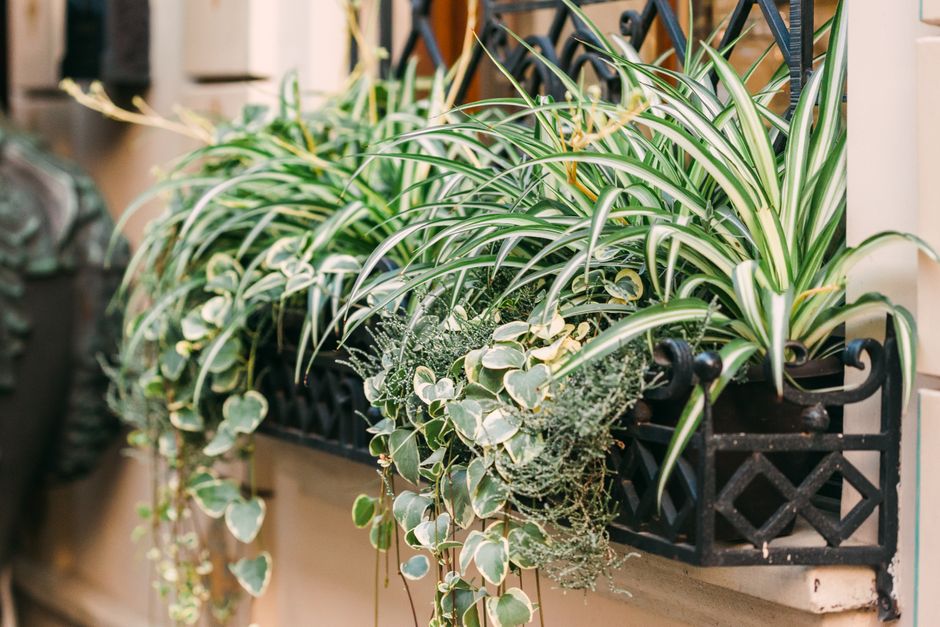
The Resilient Spider Plant
The Spider Plant (Chlorophytum comosum) is a superstar in spider plants vs indoor air pollution. In preliminary NASA tests, these plants removed a staggering 95% of formaldehyde from a sealed chamber in just 24 hours.
Research titled Indoor formaldehyde removal by three species of Chlorophytum comosum highlights their incredible physiological recovery. Even after being exposed to high levels of toxins, these plants usually recover within 15 days. They are also highly effective at removing xylene and carbon monoxide. If you have a room of about 200 square feet, one healthy spider plant can act as an effective air filter.
Snake Plants and Succulents for Nighttime Oxygen
While most plants release oxygen during the day, the Snake Plant (also known as Mother-in-Law’s Tongue) is unique. It uses “Crassulacean Acid Metabolism” (CAM), meaning it releases oxygen at night. This makes it one of the top air purifying plants for bedroom use.
Beyond oxygen, they are excellent air cleaning succulents that target toluene, nitrogen oxides, and benzene. Can succulents purify air nasas surprising findings suggest that while they grow slowly, their ability to survive neglect makes them perfect for “set it and forget it” air purification.
High-Performance Palms and Ferns
If you want maximum “pumping action,” look to palms. The Areca Palm was rated by Dr. Wolverton as one of the best for removing toluene and xylene. According to Top 10 Plants for Removing Indoor Toxins – Eartheasy, palms also release large amounts of water vapor, acting as natural humidifiers.
The Boston Fern is another top performer, specifically ranked highest for its ability to remove formaldehyde. These tropical air purifying plants thrive in humid environments like bathrooms, where they can scrub the air of chemicals found in hairsprays and cleaners.
Maximizing Air Quality: How Many Plants Do You Really Need?
Having one plant is a great start, but to see significant health improvements, you might need to build a bit of an indoor jungle.
To effectively improve air quality in an 1,800-square-foot house, research suggests you should incorporate 15 to 18 houseplants in 6- to 8-inch diameter containers. A general rule of thumb is to have two or three plants in 8- or 10-inch pots for every 100 square feet of floor space.
The benefits of reaching this “critical mass” of greenery are well-documented. An India study found that a building filled with over 1,200 plants for 300 workers resulted in:
- 52% reduction in eye irritation.
- 34% reduction in respiratory conditions.
- 24% reduction in headaches.
- 12% reduction in lung impairment.
- 9% reduction in asthma.
Furthermore, worker productivity increased by 20%, and energy costs were reduced by 15%. This suggests that office air purifying plants are a smart investment for both health and the bottom line. If you can’t fill the whole house, focus on your “personal breathing zone”—the 6 to 8 cubic feet of air immediately surrounding where you sit or sleep.
Balancing Plants with Mechanical Air Purifiers
While we love plants that absorb toxins, they have limitations. Plants are excellent at absorbing chemical VOCs, but they aren’t very good at catching dust, pollen, or pet dander.
Mechanical air purifiers with HEPA filters remove up to 99.97% of airborne particles. For the best results, we recommend a combined approach: use indoor plants that clean the air to handle the chemical gases and a mechanical purifier to handle the particulate matter. This “biological + mechanical” duo creates the ultimate clean-air environment.
Essential Care and Safety for Your Natural Purifiers
To keep your plants effective, you have to keep them healthy. A sick plant can’t filter air well!
- Light and Water: Most low water air purifying plants like the Snake Plant or Pothos are hardy, but others like the Boston Fern need consistent moisture.
- Preventing Mold: Overwatering is the enemy. Stagnant water in trays can lead to mold and bacteria growth, which actually hurts air quality. One pro tip is to cover the soil with Spanish moss or aquarium gravel to discourage mold spores from taking flight.
- Repotting: As your plants grow, their roots need space to maintain that “pumping action.” Learning the basics of repotting air purifying plants ensures they continue to thrive for years.
Keeping Your Home Safe for Pets and Children
Safety is paramount when choosing plants that absorb toxins. Not all air purifiers are friendly to curious cats or toddlers.
- The “No-Go” List: The Peace Lily and English Ivy are beautiful but toxic if ingested. They should be kept on high shelves or in hanging baskets.
- Pet-Friendly Picks: If you want non toxic air purifying plants that won’t harm your pets, the Spider Plant and Bamboo Palm are excellent choices. Check out our guide on the best air purifying plants that wont piss off your pets for more safe options.
- Outdoor Toxins: While we focus on indoors, some plants like Swamp Milkweed are great for outdoor ecosystems but can be toxic to livestock, so always research before planting in areas where animals roam.
Frequently Asked Questions about Plants That Absorb Toxins
Which plants that absorb toxins are best for bedrooms?
The Snake Plant is our top pick because it releases oxygen at night and removes toxins like benzene and formaldehyde. The Peace Lily is also great for its high transpiration rate, which adds healthy humidity to the air while you sleep. For more ideas, see our list of top air purifying plants for bedroom spaces.
Are plants that absorb toxins safe for cats and dogs?
Many are, but you must choose carefully. The Spider Plant, Bamboo Palm, and Boston Fern are generally considered safe for pets. However, common purifiers like the Sago Palm or certain Lilies can be deadly. Always consult the ASPCA guidelines or our list of non toxic air purifying plants before bringing a new plant home.
How often should I clean the leaves of my air-purifying plants?
You should wipe the leaves with a damp cloth about once a month. Dust accumulation blocks the stomata (pores), which reduces the plant’s ability to “breathe” in toxins and perform photosynthesis. Keeping leaves clean ensures your hardy air purifying plants stay efficient.
Conclusion
At Financedora, we believe that creating a healthy home shouldn’t be complicated or expensive. By bringing in a few plants that absorb toxins, you are investing in a natural wellness system that works around the clock. Whether you start with a single resilient Spider Plant or transform your office into a lush greenhouse, the benefits to your respiratory health and productivity are undeniable.
Ready to take the next step toward a cleaner home? Follow our breathe easier with these spider plant air quality tips and start purifying your home air naturally today!
