
Brick Walls and Plants: A Perfect Match That Doesn’t Require a Single Hole
How to hang plants on brick wall without drilling is easier than most people think. Here are the most effective no-drill methods:
- Brick clips – Clamp onto brick edges, hold up to 25 lbs each
- Adhesive fasteners (e.g., VELCRO® Extreme Outdoor) – Stick directly to brick, hold up to 15 lbs
- Tension rods – Fit inside window frames, hold 10–20 lbs
- C-clamps – Grip exposed beams or ledges, hold 30+ lbs
- Over-the-door hooks – Hang from door frames, hold 5–10 lbs
No tools. No dust. No permanent damage.
Brick walls are beautiful — but drilling into them is a one-way street. Once you make a hole, it’s there forever (or at least until you patch it with cement). For renters, that can mean losing a deposit. For homeowners, it can mean cracking a surface that took decades to build.
The good news? You don’t need a drill to hang plants on brick. Modern hardware like brick clips and heavy-duty adhesive fasteners can hold surprising amounts of weight — enough for real, lush, potted plants.
Whether you’re decorating a front porch, a living room feature wall, or a narrow balcony, there’s a no-drill solution that fits your space and your plants.
Why You Should Avoid Drilling Into Brick Walls
We all love the industrial, timeless charm of a brick wall, but taking a power drill to it can be a recipe for disaster. First and foremost, there is the issue of structural integrity. Brick is a porous, natural material. When we drill into it, we risk creating micro-fractures that can lead to larger cracks over time.
Furthermore, drilling creates permanent damage. Unlike drywall, where a bit of spackle and paint hides a mistake, a hole in brick requires specialized patching cement and rarely looks “original” again. There is also the “Mortar vs. Brick” debate. While some suggest drilling into mortar because it is softer, the reality is that mortar is crumbly and often lacks the strength to hold heavy pots safely.
Beyond the physical damage, drilling is messy. It produces fine red dust that settles into every crevice of your home. For those of us living in rentals, drilling into masonry is often a fast track to losing a security deposit. Finally, exterior drilling can create water damage pathways, allowing moisture to seep behind the brick and cause mold or freeze-thaw damage. According to How to hang plants on a brick wall?, avoiding these permanent marks is the best way to maintain the value of your property.
Best Methods for How to Hang Plants on Brick Wall Without Drilling
When we talk about how to hang plants on brick wall without drilling, we aren’t just limited to one “magic” product. Depending on the weight of your plant and the location of your wall, different tools will serve us better.
| Method | Weight Limit (Approx.) | Best Surface |
|---|---|---|
| Brick Clips | 25 lbs per clip | Standard brick with recessed mortar |
| Adhesive Fasteners | 5–15 lbs | Smooth or painted brick |
| Tension Rods | 10–20 lbs | Window frames or narrow alcoves |
| C-Clamps | 30+ lbs | Exposed beams, ledges, or rafters |
| Over-the-Door Hooks | 5–10 lbs | Brick walls near doorways |
If you are looking for more creative ways to display your greenery indoors, check out our guide on indoor-hanging-plant-diy.
Choosing the Right Plants for Your How to Hang Plants on Brick Wall Without Drilling Project
Not every plant is a candidate for a no-drill wall. Since we are working with weight limits, we need to be strategic. We recommend starting with trailing plants like Pothos or Heartleaf Philodendron. These are lightweight, grow quickly, and their cascading vines look stunning against the texture of the brick.
String of Pearls or String of Hearts are also excellent choices for a delicate, boho look. If you want something even lighter, Air Plants (Tillandsia) require no soil at all, meaning you can hang them with the simplest of adhesive hooks. For a kitchen brick wall, a vertical garden of herbs in small plastic or tin pots is both functional and beautiful.
Remember: the “wet weight” of a plant is much higher than its dry weight. Always weigh your pot after a full watering to ensure it doesn’t exceed your hanger’s capacity.
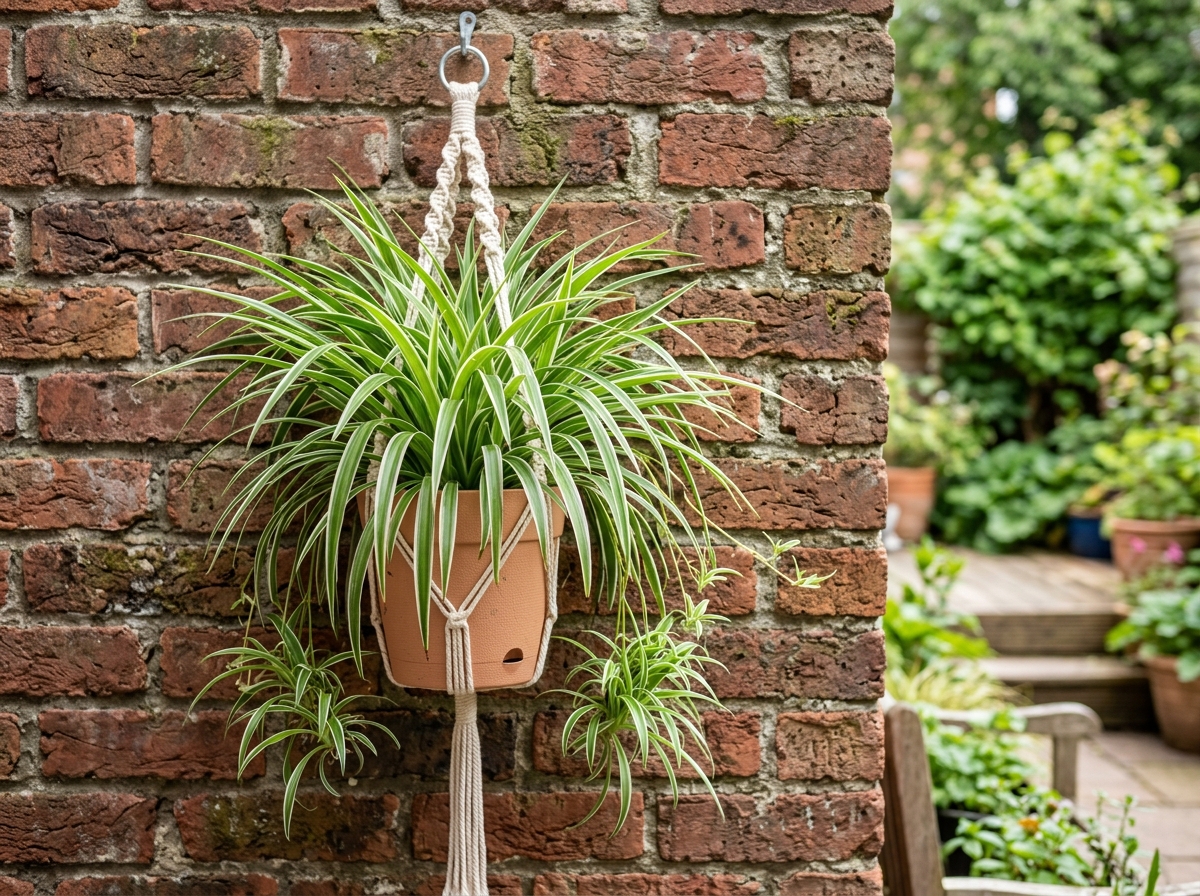
Is it safe to use adhesive hooks for how to hang plants on brick wall without drilling?
Yes, but there is a science to it! Many people fail with adhesive hooks because they skip the preparation. For brick, which is naturally dusty, you must clean the area with rubbing alcohol first. This removes the fine masonry dust that prevents the adhesive from bonding.
We also have to respect the 24-hour rule. Most heavy-duty adhesives, like those discussed in the How to Hang on Brick Without Drilling | VELCRO® Brand Blog, require a full day to “cure” or reach maximum strength. If you hang a heavy fern immediately after sticking the hook, gravity will win every time. For outdoor brick, ensure you use products specifically labeled “Outdoor” or “Extreme,” as these are designed to resist UV rays and moisture.
Step-by-Step Installation and Surface Preparation
To ensure our vertical garden stays on the wall and off the floor, we follow a strict installation process.
- Surface Cleaning: Use a stiff brush to remove loose debris, then wipe the specific spot with rubbing alcohol.
- Marking Placement: Use a pencil to mark exactly where the hook or clip will go.
- Leveling: Use a level to ensure your plants are perfectly aligned. A crooked hanging garden can look messy rather than intentional.
- Application: Apply your brick clip or adhesive hook. For brick clips, ensure the “teeth” are firmly gripped over the top and bottom edges of the brick.
- Weight Testing: Before adding your prize-winning orchid, tug on the hanger. Better to have a hook fail now than at 3 AM!
For more inspiration on building your own interior green space, see our article on vertical-garden-diy-indoor.
Adapting for Textured, Painted, or Uneven Brick
Not all bricks are created equal. If your brick is heavily textured or “tumbled,” adhesive hooks might struggle to find enough surface area to stick. In these cases, brick clip-ons are your best friend. They rely on the physical shape of the brick rather than chemical stickiness.
If you have painted brick, be careful with high-strength adhesives; they might peel the paint off when you try to remove them. For a more “industrial” look, we love using C-clamps on exposed brick beams or rafters. They provide a rock-solid anchor point without needing a single screw.
Frequently Asked Questions about Hanging Plants on Brick
Can I hang heavy plants on brick without drilling?
Absolutely. The secret is weight distribution. While a single brick clip is rated for about 25 pounds, using two clips to hold a small wooden shelf or a heavy-duty bar allows you to distribute the weight across more surface area. This is a great way to display multiple pots or heavier ceramic planters. You can learn more about maximizing small areas in our post on diy-plant-shelves-for-small-spaces.
How do I remove brick clips and adhesive without damage?
Brick clips are the easiest to remove; they usually just require a gentle prying motion with a flat-head screwdriver to release the tension. For adhesives, many modern hooks have a “pull tab” that stretches the adhesive until it releases. If you used a permanent adhesive like Liquid Nails (which we only recommend for homeowners), you may need a solvent and a scraper, but for most renter-friendly options, a mild detergent and a soft cloth will clean up any remaining residue.
What are common mistakes to avoid with no-drill methods?
The biggest mistake we see is skipping the cure time. We know you’re excited to see your plants up, but waiting 24 hours is non-negotiable for adhesives. Another mistake is poor symmetry—plants look best when they follow a pattern or a deliberate “organized chaos.” Finally, don’t forget about recycled-planters-for-houseplants; using lightweight recycled containers (like plastic or tin) instead of heavy stone pots can make your no-drill setup much more secure. You can find ideas for these in our guide on recycled-planters-for-houseplants.
Conclusion
Mastering how to hang plants on brick wall without drilling gives us the creative freedom to transform any space into a lush sanctuary. Whether you are a renter trying to keep your deposit or a homeowner protecting your masonry, these DIY methods prove that you don’t need power tools to achieve professional results.
At Financedora, we believe your home should be a reflection of your style, regardless of the “rules.” Once you’ve conquered your walls, why not move to the tabletop? Check out our tips for diy-plant-stands-for-desks to keep the greenery growing.
Ready for your next project? Explore more DIY home projects and let’s keep building something beautiful together!
