
Why Small Succulent Planters Are a Smart Choice for Your Home
Indoor succulent planters small enough to fit on a desk or windowsill are one of the easiest ways to bring life into any room — no green thumb required.
Here’s a quick look at the most popular small indoor succulent planter options to help you choose:
| Planter Type | Size | Best For |
|---|---|---|
| Mini ceramic pot | 2-3 inches | Desks, shelves |
| Terracotta pot | 2-4 inches | Breathability, beginners |
| Geometric glass terrarium | ~3-4 inches | Gifting, display |
| Concrete planter | 2-4 inches | Minimalist decor |
| Set of small pots | 2-6 inches | Grouped arrangements |
Succulents are already low-maintenance plants. Pair them with the right small planter and they practically take care of themselves. Their compact root systems mean they thrive in pots as tiny as 2 inches — perfect for tight spaces.
Small succulent planters are also hugely popular as gifts and home decor accents. They sit neatly on a bookcase, office desk, or bathroom shelf without taking up much space at all.
Whether you want a simple ceramic pot or a handmade artisan piece, there are hundreds of styles and materials to choose from — at prices ranging from under $1 to over $40.
Below, we break down everything you need to know to find the right one.

Defining Small Planters and Their Benefits
When we talk about indoor succulent planters small in scale, we are typically referring to vessels that range from 1.5 to 3.5 inches in diameter. The industry standard for a “mini” pot is often the 2-inch size, which perfectly accommodates the nursery plugs you find at most garden centers. In metric terms, these pots usually hover around a 7-7.5 cm diameter.
Why are these tiny vessels so well-suited for succulents? It comes down to biology. Most succulents have relatively shallow and compact root systems. Unlike a large monstera that needs deep soil to anchor itself, a small Echeveria or Haworthia is perfectly content in a shallow environment. In fact, keeping them in smaller containers can help prevent the soil from staying wet for too long, which is the number one enemy of these desert-dwellers.
Beyond the health of the plant, these planters are incredible space-savers. If you are living in a Small Apartment Indoor Plants are your best friends. You can fit a dozen different species on a single sunny windowsill or tucked into the corner of a crowded office desk. They also make for fantastic “living” gifts—small enough to be a token of appreciation, but beautiful enough to be a permanent piece of decor.
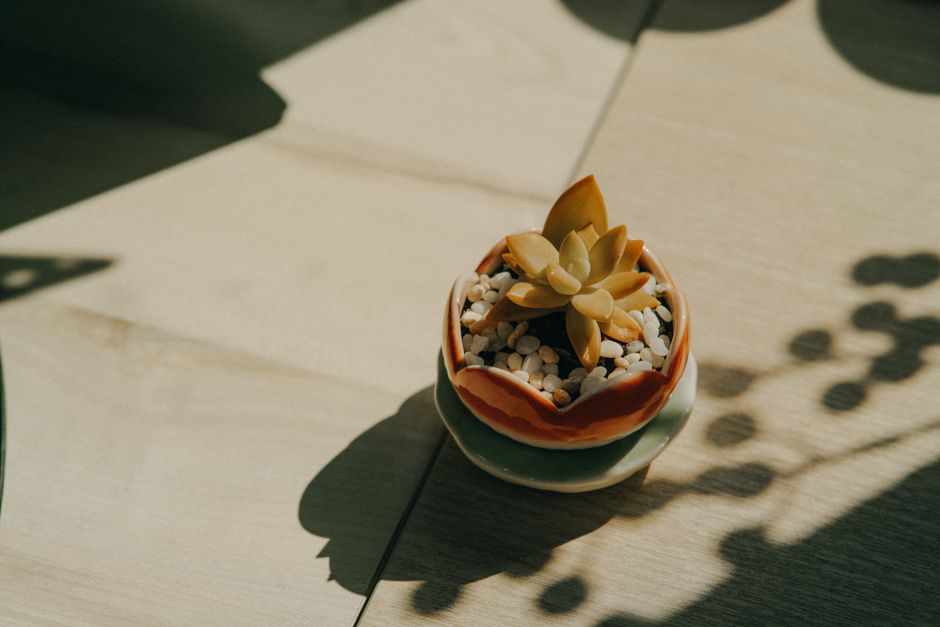
Essential Features of Indoor Succulent Planters Small
Not all small pots are created equal. When shopping for indoor succulent planters small enough for your collection, the most critical feature to look for is drainage.
Succulents are drought-tolerant and store water in their leaves. If their roots sit in stagnant water, they will succumb to root rot very quickly. A high-quality 3.2 Inch Ceramic Succulent Pot With Drainage ensures that excess water has an escape route.
If you find a “must-have” pot that lacks a hole, you have two options: use a masonry bit to drill one yourself, or use it as a “cachepot” (a decorative outer shell) for a slightly smaller plastic nursery liner. Some growers suggest adding an inch of pebbles to the bottom of hole-less pots, but this is a risky move; it’s always safer to choose Best Pots for Indoor Plants that feature built-in drainage and matching saucers to protect your furniture.
Another feature to consider is airflow. Some modern designs include metal stands that elevate the pot, allowing air to circulate underneath and around the vessel, which helps the soil dry out more evenly.
Choosing the Right Material for Your Mini Garden
The material of your planter isn’t just about looks—it actually dictates how often you’ll need to water your plant. Different materials have different levels of porosity (how much air and water can pass through the walls).
| Material | Porosity | Durability | Best For |
|---|---|---|---|
| Ceramic | Low to Medium | High | Stylish indoor decor, long-term growth |
| Terracotta | High | Medium | Beginners (prevents overwatering) |
| Plastic | Zero | High | Propagation, lightweight hanging displays |
| Concrete | Medium | Very High | Industrial/Modern aesthetics |
| Glass | Zero | Medium | Decorative terrariums (requires careful watering) |
Ceramic and Terracotta
Ceramic is the most popular choice for indoor succulent planters small enough for home use. Glazed ceramic is easy to clean and holds moisture a bit longer than unglazed clay. Terracotta, on the other hand, is extremely breathable. It “wicks” moisture away from the soil, which is great if you tend to be a bit heavy-handed with the watering can.
Plastic and Concrete
Plastic is lightweight and virtually unbreakable, making it great for high-traffic areas or for Recycled Planters for Houseplants. Concrete offers a heavy, industrial look that is very trendy right now. It is naturally alkaline, which some succulents actually enjoy, and its thick walls provide great insulation against temperature swings.
Glass
Glass containers, like a Mini Geometric Succulent & Cactus Indoor Planter in Copper and Glass, are stunning but require a steady hand. Since they rarely have drainage holes, they are best used for arrangements involving moss or for experienced keepers who use a pipette to water precisely.
Top Design Styles for Tiny Greenery
The world of small planters has exploded with creativity. No longer limited to basic orange clay, you can find a vessel to match any interior design theme.
- Minimalist: Look for clean lines, matte finishes, and neutral colors like white, grey, or black. A Botanical Beauty Mini Succulent Planter: White offers a sleek, sophisticated look that fits perfectly in a modern office.
- Mid-Century Modern (MCM): These often feature wooden stands or “legs” that elevate the plant. A Small Beto Zebra Succulent + Handmade Planter often comes in earthy tones like forest green or terracotta, mimicking the organic shapes of the 1950s and 60s.
- Bohemian: Think textured surfaces, grooved patterns, and artisanal glazes. Lightweight Grooved Indoor/Outdoor Bowl Planters provide that hand-touched feel while remaining durable.
Aesthetic Options for Indoor Succulent Planters Small
For those who want a bit of “edge,” geometric shapes are a top choice. Triangles, hexagons, and faceted globes in materials like copper or gold-plated metal add a touch of luxury to a bookshelf. Glazed finishes with “marbling” effects or reactive glazes (where the color changes during firing) ensure that no two pots look exactly alike.
Whimsical and Giftable Designs
If you’re looking for something fun, the market for Small Succulent Pots – Amazon.com is filled with “little people” planters, animal shapes (like whales or cats), and even pots with funny faces. These are incredibly popular as wedding favors or “desk buddies” for coworkers. You can even find a Mini Succulent Pot of Gold Arrangement Planter for themed holiday gifting.
Care Tips for Succulents in Small Containers
Caring for a succulent in a tiny pot is slightly different than caring for one in a large garden bed. Because there is less soil, the environment changes more rapidly.
Watering and Soil for Indoor Succulent Planters Small
In a small pot, the soil can dry out very quickly—but it can also become waterlogged if you aren’t careful. We recommend the “soak and dry” method. Wait until the soil is bone-dry all the way to the bottom, then water thoroughly until it runs out of the drainage hole.
For very small 2-inch pots, using a watering pipette or a directional squeeze bottle is much easier than a traditional watering can. This allows you to aim the water directly at the soil and avoid getting the leaves wet, which can cause rot.
The right substrate is also vital. Avoid standard potting soil, which holds too much moisture. Instead, use a specialized mix or try Homemade Plant Soil Mixes that include perlite, coarse sand, or pumice to ensure rapid drainage.
Light and Placement
Most succulents need at least 4 to 6 hours of bright, indirect light. A south- or east-facing windowsill is usually the “sweet spot.” If you notice your plant starting to stretch out and get “leggy,” it’s telling you it needs more light.
Be careful with placement near heat sources. While succulents like warmth, sitting directly over a radiator can dry them out too fast or even “cook” the roots in a small ceramic pot. Also, remember to rotate your Decorative Cactus & Succulent Pots every week so the plant grows evenly rather than leaning toward the sun.
Frequently Asked Questions
Do small succulent pots need drainage holes?
Ideally, yes. While you can grow succulents in containers without holes, it requires much more precision. For beginners, a drainage hole is the best insurance policy against the most common cause of succulent death: overwatering. If you are shopping on Pots for Succulent | Growing Succulents in Containers, always check the product description for a drainage feature.
How often should I water a succulent in a 2-inch pot?
On average, once every 2 to 4 weeks. However, this depends on your home’s humidity and the material of the pot. A terracotta pot will need water more often than a plastic one. Always use the “finger test”—if the soil feels dry an inch down, it’s time for a drink.
Can succulents stay in small pots forever?
Some can! Certain species, like the “Beto” Zebra succulent, grow very slowly and can stay in a 2- or 3-inch pot for years. This creates a “bonsai effect” where the plant remains miniature because its root space is limited. However, if you see roots growing out of the drainage hole or the plant becomes top-heavy, it’s time to move up to a slightly larger vessel.
Conclusion
At Financedora, we believe that a beautiful home doesn’t have to be a high-maintenance one. Choosing the right indoor succulent planters small enough for your lifestyle is the first step toward creating a relaxing, green sanctuary in your own space. Whether you’re a seasoned collector or looking for your first “desk buddy,” there is a perfect tiny pot waiting for you.
By focusing on proper drainage, choosing the right material for your watering habits, and providing plenty of light, you can enjoy these architectural wonders for years to come. Ready to get started? Start your indoor garden today and find the perfect vessel for your tiny green friends!
