
Why Backyard Planter Ideas Can Transform Any Outdoor Space
Backyard planter ideas are one of the fastest ways to add color, structure, and life to your yard — no matter how big or small your space is.
Here are the most popular backyard planter ideas to get you started:
- Raised garden beds – Better drainage, warmer soil, and easier maintenance
- Galvanized steel troughs – Rustic-modern look, durable and ready to plant fast
- Tiered vertical planters – Perfect for small patios, balconies, or tight corners
- Upcycled containers – Old wheelbarrows, buckets, or logs turned into charming focal points
- Window boxes and railing planters – Great for adding greenery without using floor space
- Stone or brick raised beds – Long-lasting and visually striking
Most yards have at least one problem: poor soil, bad drainage, or tricky light conditions. Planters and raised beds solve all three. As landscape designer Kat Aul Cervoni notes, raised beds offer improved drainage, better airflow, and full control over your soil quality — things you simply can’t get from planting directly in the ground.
The best part? You don’t need a huge budget or a green thumb to pull it off. Whether you’re working with a sprawling backyard or a narrow balcony, there’s a planter solution that fits.

Top Backyard Planter Ideas for Every Style
When we think about backyard planter ideas, we aren’t just talking about a few terracotta pots on the porch. Professional-grade landscaping uses planters as architectural elements that define spaces, provide privacy, and even protect your back.
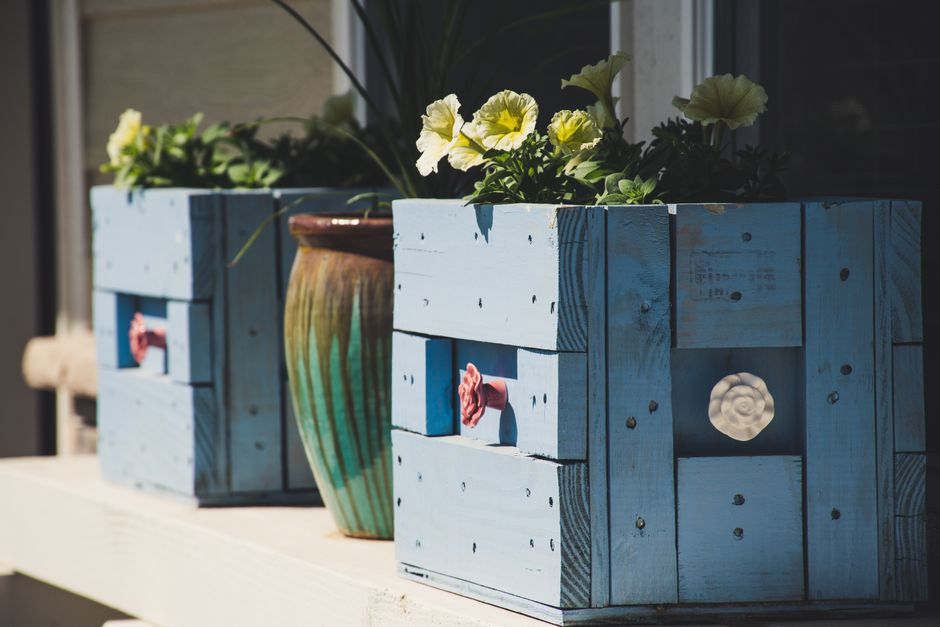
Raised Garden Beds
Raised beds are the gold standard for backyard productivity. They allow the soil to warm up faster in the spring, which means we can get our seeds in the ground earlier than our neighbors. For a clean, high-end look, consider a Modern Fence Picket Planter or Raised Bed. Using cedar fence pickets provides a modern, horizontal slat aesthetic that hides the internal structural framing.
Galvanized Steel Troughs
For those of us who love a rustic-elegant vibe, galvanized steel troughs (often used as livestock waterers) are an “instant” garden bed. They are incredibly durable and add a silvery, industrial contrast to soft green foliage. Just remember to drill plenty of drainage holes in the bottom!
Stone Masonry and Brick Borders
If you want your garden to feel like a permanent part of your home’s architecture, stone and brick are the way to go. Brick raised beds can be designed to match your home’s exterior perfectly. Stone masonry, while more labor-intensive, offers unmatched durability and a timeless, English-garden feel.
Trellises and Integrated Lighting
Why stop at the rim of the planter? Adding a trellis allows us to grow vining plants like clematis or snap peas, creating a living “wall.” To make your garden enjoyabe after the sun goes down, consider integrating string lights or solar-powered LEDs. Experts like Rhonda Kaiser suggest hanging string lights directly over raised beds to create an enchanting evening vignette.
Creative Backyard Planter Ideas Using Upcycled Materials
We believe that “anything goes” when it comes to containers. Upcycling isn’t just budget-friendly; it adds a layer of personality that store-bought pots simply can’t match.
- Old Wheelbarrows: A vintage metal wheelbarrow filled with trailing petunias or “spiller” greenery creates a charming country focal point on a lawn.
- Metal Colanders: These have built-in drainage! They make excellent hanging baskets for herbs or strawberries.
- Filing Cabinets: Believe it or not, an old metal filing cabinet can be turned on its back (or kept upright with drawers pulled out) to create a tiered, industrial planter.
- Hollow Logs: If a tree falls in your yard, don’t haul it away. Hollow out a section and plant lavender or succulents inside for a completely natural look.
For more inspiration on giving old items new life, check out our guide on recycled planters for houseplants or explore these Unique Container Ideas for Garden Planting.
Strategic Backyard Planter Ideas for Small Spaces
If you’re working with a tiny patio or a balcony, floor space is a luxury. This is where we need to think vertically.
- Vertical Ladders: A Cedar Vertical Tiered Ladder Garden Planter allows us to stack five or six layers of plants in the footprint of a single pot. It’s perfect for a “kitchen garden” full of fresh herbs right outside the back door.
- Tiered Designs: Tiered planters create a cascading effect. You can learn How To Build a Space-Saving 3-Tiered Planter to maximize every inch of a sunny corner.
- Window Boxes and Railing Planters: These are the ultimate space-savers. By hanging your garden on a railing or under a window, you leave the floor clear for furniture and foot traffic.
Designing for Impact: Plant Selection and Arrangement
A great planter is only half the battle; what you put inside matters just as much. Professional designers often use the “Thriller, Filler, Spiller” method to create balanced, eye-popping arrangements.
The Golden Rule: Thriller, Filler, Spiller
- Thriller: This is your focal point. It’s usually a tall, dramatic plant placed in the center (or the back if the pot is against a wall). Think ornamental grasses, Canna lilies, or even a small upright shrub.
- Filler: These are mounding plants that surround the thriller and make the arrangement look lush and full. We love using Supertunias, begonias, or colorful foliage like Coleus.
- Spiller: These plants “spill” over the edges of the container, softening the lines of the planter. Creeping Jenny, sweet potato vine, and lobelia are classic choices.
Color and Texture
Don’t be afraid to experiment with color palettes. A monochromatic scheme (using different shades of the same color, like all whites or all purples) looks incredibly sophisticated. Alternatively, you can focus on texture contrast—pairing fine-textured grasses with bold, broad-leafed hostas or tropical palms.
Potscaping
“Potscaping” is the art of grouping multiple containers together to create a unified landscape feature. Instead of scattering pots around the yard, group them in odd numbers (three or five) of varying heights. This creates a much stronger visual impact and makes watering more efficient. For more professional tips, the Container Gardening Guide is an excellent resource for choosing high-performance plants.
Successful Edibles and Perennials in Containers
Many people think containers are only for annual flowers, but we can grow almost anything in a well-designed planter.
- Square Foot Gardening: In larger raised beds, we recommend dividing the space into 1-square-foot segments. This ensures each plant (whether it’s a tomato or a head of lettuce) has the exact amount of room, sun, and nutrients it needs.
- Companion Planting: Grow basil next to your tomatoes to enhance their flavor, or plant marigolds to help repel common garden pests.
- Perennials in Pots: Hostas, lavender, and even some varieties of roses thrive in containers. The best part? You can enjoy them in a pot for a season and then transplant them into the ground later.
- Know Your Zones: Always check your USDA Hardiness Zone. This tells us which plants can survive the winter in our specific climate. If you’re growing tropical palms in a cooler zone, be prepared to bring them indoors when the temperature drops.
Essential Materials and DIY Construction Tips
Building your own planters is a rewarding weekend project. Not only do you save money, but you also get a custom fit for your yard.
Choosing the Right Wood
For outdoor durability, cedar is our top choice. It naturally resists rot and insects without the need for harsh chemicals. If you are on a budget, pressure-treated lumber is a viable option for the internal framing, while cedar fence pickets can be used for the visible exterior.
Durability Comparison Table
Pro Construction Tips
- Pocket Hole Joinery: Using a pocket hole jig is the fastest way to create strong, hidden joints. It’s a favorite for building things like a DIY Tiered Raised Planter.
- Miter Saws: While a circular saw works, a miter saw allows for those precise 45-degree angles that give a planter a professional, “modern” finish.
- Fasteners: Always use star-head stainless steel or exterior-grade screws. They won’t rust or strip as easily as standard Phillips-head screws.
- Wood Glue: Always use exterior-grade wood glue in addition to screws. It provides a much stronger bond that can withstand the expansion and contraction of wood in the sun and rain.
Maintenance and Ergonomics for Long-Lasting Gardens
A beautiful garden shouldn’t be a chore. By designing with ergonomics and maintenance in mind, we can enjoy our plants without the physical strain.
Self-Watering Systems
Busy schedule? You can learn How To Build a Self-Watering Planter. These designs use a reservoir at the bottom of the planter that wicks moisture up to the roots, meaning you only have to “fill the tank” every few days instead of watering every morning.
Ergonomics and Accessibility
Tending to a garden shouldn’t hurt your back. Waist-height beds (usually around 30 inches tall) are ideal for aging gardeners or those with limited mobility. They allow us to prune, weed, and harvest while standing or sitting comfortably.
Pest Prevention
One of the most frustrating parts of gardening is seeing your hard work destroyed by burrowing animals. Stacy Paetzel, a landscape architecture expert, recommends lining the bottom of your raised beds with galvanized hardware cloth (a fine metal mesh). This prevents voles and other tunneling critters from entering your planter from below.
Routine Care
- Soil Aeration: Every spring, use a hand fork to gently loosen the top few inches of soil in your containers to ensure oxygen reaches the roots.
- Fertilization: Plants in containers lose nutrients faster than those in the ground because of frequent watering. Use a slow-release fertilizer every few weeks.
- Deadheading: Regularly removing spent blooms (deadheading) encourages the plant to put its energy into new flowers rather than seed production.
Frequently Asked Questions about Backyard Planters
What is the best height for a raised garden bed?
The “best” height depends on what you’re growing and your own comfort. For shallow-rooted plants like lettuce or strawberries, 6 to 12 inches is plenty. However, if you want an ergonomic experience that requires no bending, a 30-inch standard height (waist-height) is best. For deep-rooted vegetables like carrots, you’ll need at least 12 to 18 inches of soil depth.
How do I prevent pests like voles from entering my planters?
The most effective method is installing a galvanized hardware cloth liner at the bottom of the bed before adding soil. Additionally, using elevated designs (planters on legs) completely removes the entry point for ground-based tunneling pests.
Can I grow vegetables and flowers in the same container?
Absolutely! This is actually a great practice called companion planting. Flowers like marigolds or nasturtiums can attract pollinators and even repel certain pests, helping your vegetables thrive. It’s also a fantastic way to maximize space and make your “edible” garden look beautiful enough for the front porch.
Conclusion
At Financedora, we believe that your outdoor space should be an extension of your home—a place of beauty, relaxation, and even a little bit of homegrown flavor. Implementing these backyard planter ideas can completely transform a dull yard into a professional-looking landscape.
From building a Tall Back Wooden Planter Box for your entryway to experimenting with unique DIY indoor wall planter ideas to transform your space, the possibilities are endless.
Ready to take the next step in your home improvement journey? Start your garden project today and see how a few well-placed planters can elevate your entire property. Happy gardening!
