
Why DIY Indoor Wall Planters Are Worth Your Time
DIY indoor wall planter ideas are one of the smartest ways to bring life into your home without taking up floor space. Here are some of the most popular options to get you started:
- Plywood and hose clamp planter – mount individual plywood squares with terra cotta pots held by hose clamps
- Wood plank wall planter – use a French cleat system with vinyl plank flooring as a decorative backer
- Pallet living wall – line a wooden pallet with landscaping cloth, fill with soil, and plant succulents
- Wall grid with hanging pots – attach a metal grid to the wall and hook on IKEA-style planters
- Rope and shelf vertical garden – string pine boards on cotton rope for a floating, tiered display
- Faux succulent shadow box – fill a wooden frame with floral foam and artificial succulents for zero maintenance
- Mason jar herb wall – mount mason jars on a board for a compact kitchen herb garden
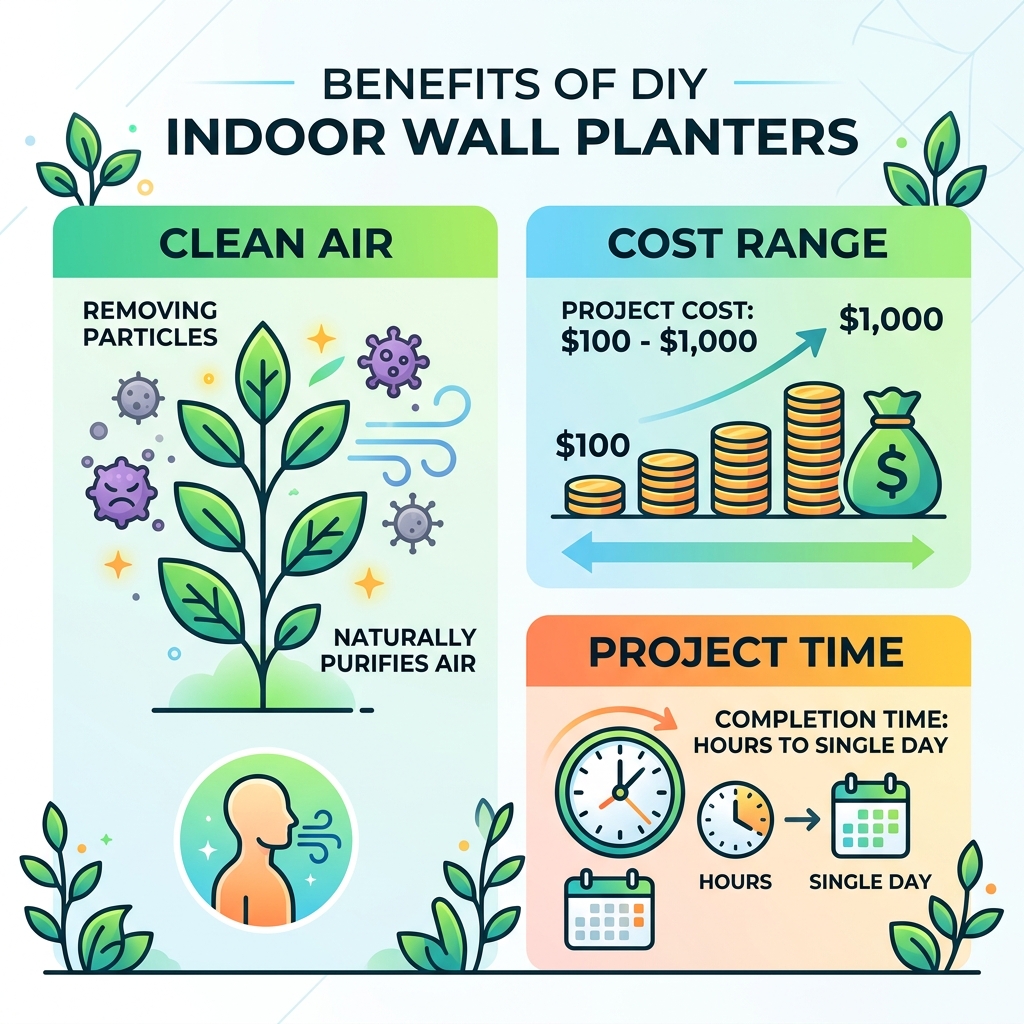
Wall planters do more than just look good. Studies show indoor plants can help purify the air, reduce stress, and even boost productivity. And the best part? Most of these projects cost between $100 and $1,000 and can be completed in a single day.
Whether you have four hours or just one, there’s a design here that fits your schedule, budget, and skill level.
Why You Should Try These DIY Indoor Wall Planter Ideas
We all know that feeling of staring at a blank, boring wall and wishing it had a bit more “soul.” While paint and art are great, nothing breathes life into a room quite like actual living things. Beyond the obvious aesthetic upgrade, there are deep-rooted scientific reasons why we should all be looking into diy indoor wall planter ideas.
First and foremost, let’s talk about air quality. You might remember the famous NASA Clean Air Study from your school days; it proved that certain indoor plants are powerhouses at removing toxins like formaldehyde and benzene from the air. By creating a vertical garden, you are essentially building a natural air filtration system for your home.
Beyond the biology, there’s the psychology. Studies have consistently shown that being around greenery reduces stress levels and can even lower blood pressure. If you’re working from a home office, a wall planter isn’t just decor—it’s a productivity tool. It softens the environment, making the space feel less like a cubicle and more like a sanctuary.
For those of us living in apartments or smaller homes, floor space is a precious commodity. We often find ourselves choosing between a bookshelf or a large potted plant. When you move your greenery to the walls, you reclaim that floor space while still enjoying the lush vibes. If you are a fan of sustainability, you can even look into recycled-planters-for-houseplants to keep your project eco-friendly.
Finally, there is the sheer satisfaction of the “DIY” aspect. Building something with your own hands—whether it’s a simple shelf or a complex irrigation-fed living wall—adds a layer of personal connection to your home that store-bought items simply can’t match.
Top DIY Indoor Wall Planter Designs for Every Room
Every room has a different vibe, and fortunately, there is a wall planter design to match. Whether you want a sleek, modern look for your living room or a functional herb garden for your kitchen, we’ve got you covered.
Before we dive into the specific designs, let’s look at a quick comparison of what you can expect in terms of time and investment:
| Project Type | Estimated Time | Estimated Cost | Skill Level |
|---|---|---|---|
| Kitchen Herb Garden | 1 Hour | $30 – $60 | Beginner |
| Modern Plywood Squares | 2 – 4 Hours | $50 – $100 | Intermediate |
| Faux Succulent Wall Art | 2 Hours | $40 – $80 | Beginner |
| Vertical Living Wall | 4 – 8 Hours | $100 – $1,000 | Advanced |
| Rope & Shelf Garden | 3 Hours | $40 – $70 | Intermediate |
The Modern Plywood and Hose Clamp Planter
If you love a clean, minimalist aesthetic, this design is for you. This project uses modular 12-inch by 12-inch plywood squares as the base. Each square features a single terra cotta pot held securely by a common metal hose clamp.
To build this, you’ll start by cutting your plywood into equal sections. We recommend using a sanding block to smooth out any rough edges before applying a stain or paint that matches your room’s palette. Once the boards are ready, you’ll pre-drill a hole through the center of a hose clamp and screw it directly into the board.
The beauty of this design is its modularity. You can hang four squares in a perfect grid, or stagger them across a large wall for a more eclectic look. For more details on this specific style, check out this guide on How to Make a Modern Wall Planter.
Rustic Wood Plank and Vinyl DIY Indoor Wall Planter Ideas
For a more substantial “statement piece,” consider a wood plank wall planter. This design often uses a decorative backer—like vinyl plank flooring—to give the appearance of a solid wood wall without the weight or cost of thick timber.
We love using a French cleat system for this project. A French cleat consists of two interlocking beveled boards: one is attached to the wall, and the other is attached to the back of your planter. This creates a hidden, incredibly strong mount that can support the weight of multiple plants and moist soil. If you are working with limited space, this is a great alternative to traditional diy-plant-shelves-for-small-spaces.
For a step-by-step breakdown of the construction, you can refer to How To Build a Wall Planter – This Old House. They demonstrate how to use pin nailers and wood glue to create a seamless, professional finish.
Maintenance-Free Faux Succulent Wall Art
Let’s be honest: not everyone has the time (or the memory) to keep a dozen plants alive. If you have a dark hallway or a room with no windows, faux plants are your best friend. Modern artificial succulents look incredibly realistic and stay “green” forever.
To create this, you can build a shallow shadow box frame. Instead of soil, you’ll fill the frame with dense floral foam. Then, simply trim the stems of your faux succulents and press them into the foam until the entire surface is covered. It’s essentially a piece of 3D botanical art.
This project is perfect for those who want the look of a DIY Faux Succulent Wall Planter without the worry of drainage or sunlight. It’s a “set it and forget it” decor piece that still provides that visual “pop” of greenery.
Vertical Rope and Shelf DIY Indoor Wall Planter Ideas
If you prefer a “floating” look, the rope and shelf design is a showstopper. This involves taking several pine boards, drilling holes in the corners, and threading thick cotton rope through them. Knots tied under each board keep the shelves in place.
This design is highly customizable. You can have two shelves or six, depending on your wall height. It’s also a fantastic way to display a variety of plants in different types of pots. For a deep dive into this specific method, see the DIY Indoor Vertical Garden – Jessica Welling Interiors tutorial.
This style is also closely related to other vertical concepts like the vertical-garden-diy-indoor or a more traditional indoor-hanging-plant-diy, which we have covered in our other guides.
Essential Materials and Tools for Your Project
Before you head to the hardware store, it’s important to have a clear list. While each of the diy indoor wall planter ideas mentioned above has unique needs, there is a core set of tools and materials you’ll likely need.
The Tool Kit
- Miter Saw: Essential for making clean, angled cuts for frames or shelves.
- Power Drill/Driver: You’ll need this for assembling the wood and mounting the planters to the wall.
- Level: Nothing ruins a wall planter faster than it being slightly crooked.
- Pocket Hole Jig: If you want professional, hidden joints (especially for the kitchen herb garden design), a Kreg jig is a lifesaver.
- Sander: To ensure your wood is smooth and ready for stain or paint.
The Materials
- Lumber: Common choices include 1×8 pine boards or scrap plywood.
- Waterproof Liners: If you are building a wooden box to hold soil directly, you must line it with heavy-duty plastic or a pond liner to prevent the wood from rotting and the wall from getting damp.
- Mounting Hardware: Depending on the weight, you’ll need anything from simple D-rings to heavy-duty French cleats and drywall anchors.
- Soil and Burlap: For vertical designs where soil might fall out, tucking burlap over the soil and cutting small slits for the plants helps keep everything in place.
If you’re just starting out, we recommend reading our guide on creating-your-own-vertical-garden-an-indoor-diy-project to get a better handle on the basics of assembly and wall safety.
How to Choose and Maintain Your Indoor Greenery
Choosing the right plants is just as important as building the structure. Not every plant is happy living on a wall. You want species that are relatively low-maintenance, can tolerate indirect light, and don’t have massive, aggressive root systems.
Top Plant Recommendations
- Pothos: The king of indoor plants. It’s incredibly hardy, grows beautiful trailing vines, and can survive in low light.
- Philodendron: Similar to Pothos, these are great for adding a lush, “jungle” feel to your wall.
- Succulents: Ideal for smaller, modular planters. They require very little water and come in a stunning array of colors and shapes.
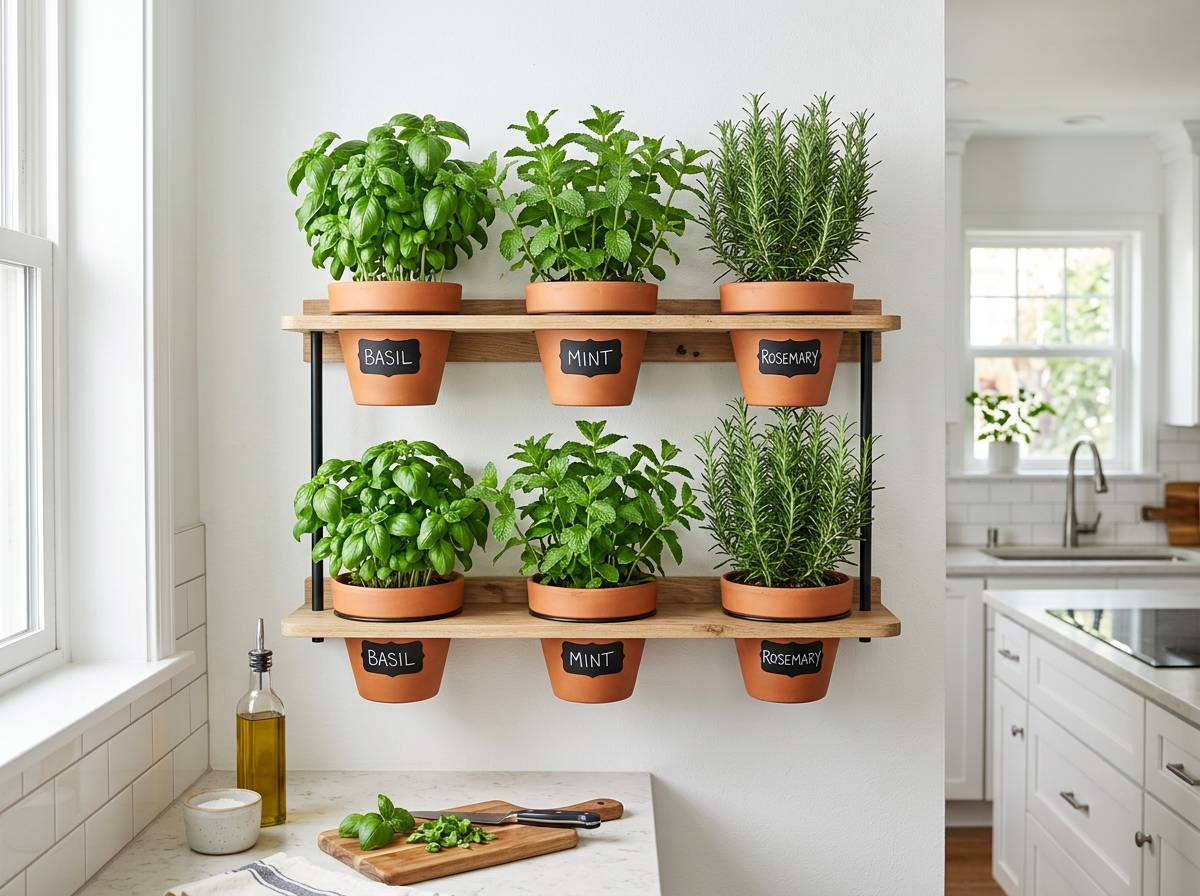
- Herbs: If you’re building a DIY Wall Planter For A Kitchen Garden, stick to basil, mint, and cilantro. Just ensure they get plenty of light.
- Spider Plants: These are great for air purification and produce “babies” that can hang down elegantly from a wall shelf.
Maintenance and Care Tips
The biggest challenge with wall planters is watering. Since most don’t have traditional drainage holes (to avoid dripping on your floor), you have to be careful.
- Watering Bulbs: These are fantastic for wall planters. They release water slowly into the soil, preventing the “root rot” that happens when plants sit in stagnant water.
- Moisten Soil First: When first planting, moisten your potting soil in a bucket before putting it in the planter. This ensures there are no dry pockets.
- Lighting: If your wall is in a dark corner, you might need to install a small LED grow light above the planter to keep the plants thriving.
- Drainage Solutions: For individual pots (like the hose clamp design), it’s often easiest to take the pots down, water them in the sink, let them drain, and then put them back.
For more tips on arranging your plants for the best aesthetic and health, check out our article on diy-plant-shelves-for-small-spaces-2.
Frequently Asked Questions about DIY Wall Planters
How much does it cost to build a DIY living wall?
The cost is highly variable. A simple mason jar or scrap wood project can be done for under $50. However, a large-scale living wall with a built-in irrigation system and professional-grade waterproof backing can range from $100 to $1,000. Most DIYers find a sweet spot around $150 by using common lumber and affordable plants like Pothos.
Do indoor wall planters attract bugs?
They can, but usually only if they aren’t maintained properly. Overwatering is the main culprit, as damp, stagnant soil attracts fungus gnats. To prevent this, ensure you have good air circulation and don’t let the soil stay soggy. If you do spot bugs, a bit of neem oil or insecticidal soap usually clears the problem right up. Keeping the area free of dead leaves also helps.
Can I build a wall planter if I have a “black thumb”?
Absolutely! If you’ve killed every plant you’ve ever owned, start with a faux succulent wall planter. It gives you the look without the responsibility. If you want real plants, start with a single Pothos. It’s very difficult to kill and will give you the confidence to try more complex diy indoor wall planter ideas later on.
Conclusion
Transforming your home with greenery doesn’t require a massive backyard or a professional landscaper. With a few basic tools and some creative diy indoor wall planter ideas, you can turn any blank wall into a thriving vertical garden. Whether you choose the rustic charm of a pallet wall or the sleek look of modern plywood squares, these projects offer a unique way to personalize your space while improving your well-being.
The key to a successful wall planter is a mix of sturdy construction and proper plant selection. Start small, experiment with different designs, and don’t be afraid to mix real and faux plants to get the look you want.
If you’re looking for even more ways to upgrade your home, check out our category/diy for More DIY inspiration. Happy building!
