
Why a Mood Booster Indoor Garden Belongs in Your Home
A mood booster indoor garden is one of the simplest, most effective ways to reduce stress, improve focus, and feel better — without leaving your home. Here’s a quick summary of how to create one:
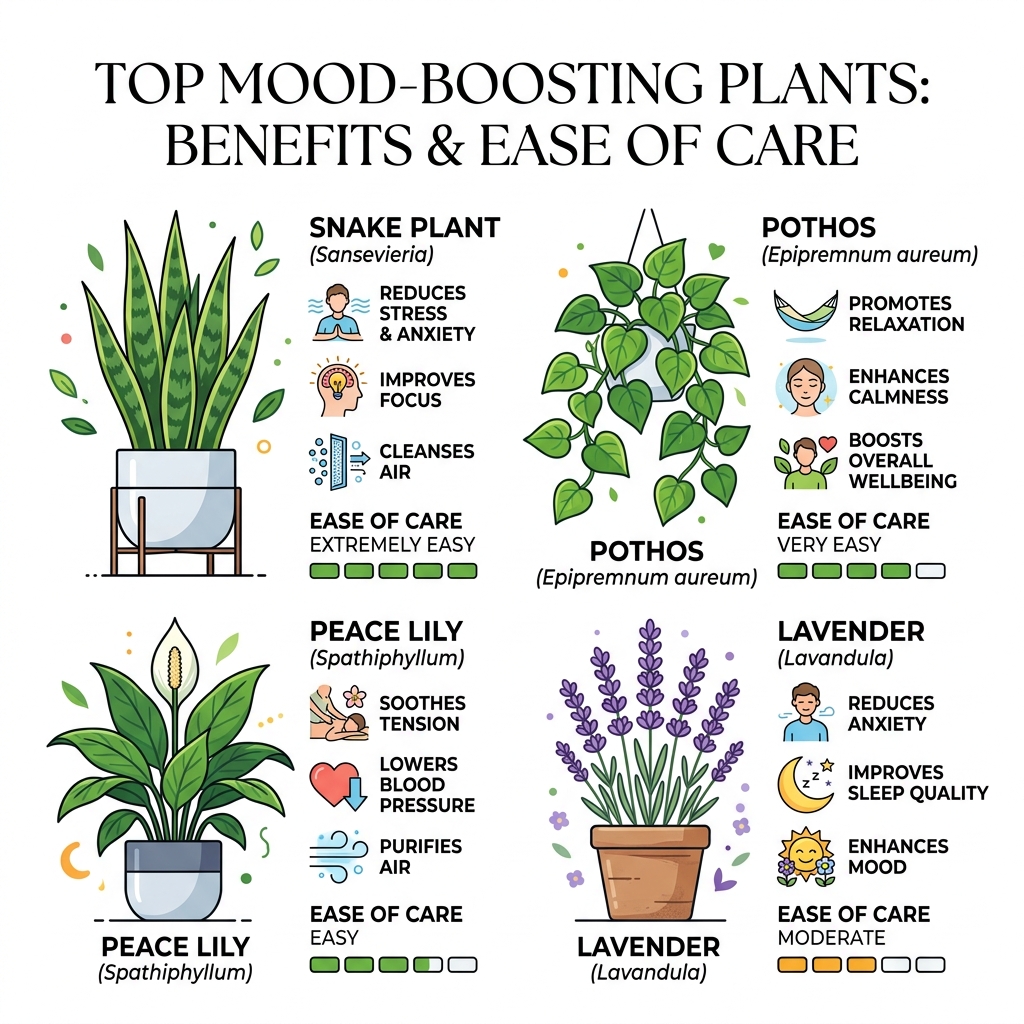
- Choose the right plants – Snake plants, pothos, peace lilies, and lavender are proven stress-reducers that are easy to maintain
- Pick a bright spot – South- or west-facing windows give most plants enough natural light
- Start small – Even a single plant on a windowsill can measurably reduce stress markers
- Add sensory variety – Mix fragrant plants (jasmine, rosemary) with lush greenery for a fuller mood benefit
- Care consistently – Just 10 minutes of tending to plants can produce a noticeable mood lift
We spend most of our lives indoors. Yet our brains are wired for nature.
That disconnect is real — and it costs us. Modern life piles on stress, screens, and stale air. The result? Higher anxiety, poorer sleep, and a low-grade mental fog that’s easy to ignore but hard to shake.
The good news: plants can help more than most people realize.
Research published in the Journal of Physiological Anthropology found that interacting with indoor plants actively suppresses the body’s “fight-or-flight” stress response and lowers blood pressure in young adults. Other studies show that even a windowsill garden can reduce stress markers in city residents.
This isn’t just about decoration. It’s about creating a small, living environment that works for your mental health every single day — especially useful for busy urban homeowners who want real results without high upkeep.
This guide walks you through everything: the science, the best plants, easy DIY projects, and simple care routines you can actually stick to.
The Science Behind a Mood Booster Indoor Garden
When we talk about a mood booster indoor garden, we aren’t just being poetic. There is a hard-hitting biological reason why walking into a room filled with greenery feels like a deep exhale. The presence of plants triggers a physiological shift in our bodies that most of us desperately need in our high-speed world.
A landmark 2015 study found that young adults who interacted with indoor plants—specifically through tasks like transplanting—showed a significant suppression of the sympathetic nervous system. In plain English, it turned off their “fight-or-flight” response. Compared to performing computer-based tasks, the plant interaction lowered blood pressure and induced feelings of comfort and soothing. This suggests that our nervous systems are literally programmed to relax when we are near living foliage.
One of the most fascinating aspects of this science is the “happy bacteria” found in the soil itself. A microbe called Mycobacterium vaccae lives in healthy dirt. Research suggests that when we inhale or have skin contact with this bacterium, it stimulates the production of serotonin in the brain. Serotonin is the neurotransmitter responsible for stabilizing our mood and making us feel happy. By simply getting our hands a little dirty while repotting, we are essentially giving ourselves a natural antidepressant.
Furthermore, plants are expert air purifiers. They absorb toxins like formaldehyde and benzene while pumping out fresh oxygen. This leads to better cognitive function and a reduction in “stale air” headaches. For a deeper look at how these physiological changes impact your daily life, you can explore the wellness benefits of greenery and how they contribute to a wellness benefits of greenery-2.
Combating Seasonal Affective Disorder (SAD) and Winter Blues
Winter can be a tough season for our mental health. As the days get shorter, many of us suffer from Seasonal Affective Disorder (SAD), often called the “winter blues.” This condition is largely triggered by a drop in Vitamin D levels due to a lack of sunlight. Vitamin D is crucial because it helps balance hormones and maintains functional levels of serotonin and melatonin.
In the darker months, our bodies naturally produce more melatonin, which can lead to daytime drowsiness and a persistent feeling of fatigue. This is where a mood booster indoor garden becomes a literal lifesaver. By creating a lush, green corner in our homes, we can trick our brains into feeling a sense of growth and renewal even when the world outside is frozen and grey.
Tending to plants during winter also helps regulate our circadian rhythm. The act of opening the curtains to give our plants light encourages us to seek out that same light for ourselves. Setting up a cozy retreat filled with plants can help indoor-plants-reduce-stress and provide a sanctuary where it always feels like summer.
Top Plants and Projects for Mental Wellness
Creating an effective mood booster indoor garden doesn’t require a degree in botany. It’s about choosing “active participants” for your mental health—plants that offer specific emotional or physical benefits.

Essential Varieties for a Mood Booster Indoor Garden
When we select plants for our sanctuary, we look for a mix of air purifiers, sensory enhancers, and “easy wins” that provide a sense of accomplishment. Here are the heavy hitters:
- Snake Plant: Known as the “Oxygen Booster,” this plant is unique because it releases oxygen at night. It’s incredibly robust and thrives on neglect, providing a sense of reassurance for those who worry they don’t have a “green thumb.”
- Peace Lily: These plants are famous for their ability to filter indoor toxins. Their elegant white flowers have a natural calming effect, and they are excellent at regulating indoor humidity.
- Lavender: While often grown outdoors, lavender can thrive on a sunny windowsill. Its scent is scientifically linked to relaxation and better sleep. Keeping dried stems near your bed can extend these benefits.
- Jasmine: This natural mood enhancer produces a fragrance that can improve alertness and reduce anxiety. It’s like having a living aromatherapy machine in your living room.
- Pothos: If you want instant gratification, the Pothos is your best friend. It grows vigorously, and watching its vines trail down a shelf provides a quick sense of success. You can find more about these mood-boosting-indoor-plants to start your collection.
Table: Mood-Boosting Plant Comparison
| Plant Name | Primary Benefit | Care Level | Light Needs |
|---|---|---|---|
| Snake Plant | Nighttime Oxygen | Easy | Low to Bright |
| Peace Lily | Air Purification | Moderate | Medium Indirect |
| Lavender | Stress Relief (Scent) | Moderate | Bright Sunlight |
| Pothos | Accomplishment | Very Easy | Low to Medium |
| Jasmine | Anxiety Reduction | Moderate | Bright Indirect |
Beyond these, there are other mood-boosting-indoor-plants-2 that cater to specific needs. For instance, the Spider Plant is wonderful for social wellness because it produces “babies” that are easy to clip and share with friends, fostering a sense of community. Aloe Vera offers healing properties for minor burns, while Rosemary is a fantastic “Focus & Energy Booster” for your home office.
If you are looking for a more tropical vibe, the Monstera Deliciosa is a great choice. Watching its giant leaves slowly unfurl with their unique splits is a masterclass in mindfulness. These are some of the indoor-plants-for-mental-health that we recommend for a well-rounded indoor sanctuary.
DIY Projects for a Mood Booster Indoor Garden
Sometimes, the best way to boost your mood is to get involved in a creative project. Gardening isn’t just about maintenance; it’s about creation.
- Terrariums: Building a terrarium is like creating a tiny, magical world. It’s a self-contained ecosystem that requires very little water once established. The process of layering rocks, charcoal, and moss is incredibly grounding.
- Indoor Herb Gardens: Growing basil, mint, or parsley on your windowsill provides a triple win: they look beautiful, they smell amazing, and you can eat them! The scent of rosemary, in particular, has been shown to help with memory recall.
- Mini Zen Gardens: These don’t always need plants, but adding a small succulent or air plant to a tray of fine sand can enhance the effect. Raking patterns in the sand is a proven way to lower stress during a busy workday.
- Hydroponic Systems: For those who love technology, a small hydroponic kit allows you to grow greens without soil. It’s clean, efficient, and provides a fascinating look at how plants grow.
- Microgreens: If you need a quick win, microgreens are ready to harvest in just 7-14 days. This rapid growth cycle provides a frequent hit of dopamine and a sense of productivity.
Engaging in these projects allows you to experience the emotional-benefits-of-indoor-gardening firsthand, turning a hobby into a form of therapy.
Practical Care and Styling for an Indoor Sanctuary
How we arrange our plants is just as important as which plants we choose. A cluttered corner can cause stress, while a well-styled “plant nook” can become a sanctuary.
The Rule of Threes and Visual Balance
When styling your mood booster indoor garden, we recommend the “Rule of Threes.” Arranging plants in odd numbers—especially in varying heights—looks more natural and energetic to the human eye. Place a large floor plant (like a Fiddle Leaf Fig) next to a medium-sized plant on a stand, and finish the look with a small trailing plant on a shelf. This creates depth and a “jungle” feel that is incredibly soothing.
Lighting and Technology
In the winter, natural light can be scarce. To keep your plants (and your mood) bright, consider full-spectrum LED grow lights. These aren’t the industrial-looking shop lights of the past; many modern grow lights are sleek and can be integrated into your home decor. They provide the specific wavelengths of light that plants need to thrive, which in turn keeps your space feeling vibrant. Using proper lighting can even help with indoor-plants-for-better-focus during your work hours.
Managing Humidity
Most tropical houseplants love humidity, but our heaters strip moisture from the air in the winter. We can fix this by grouping plants together, which creates a microclimate through a process called transpiration (plants “sweating” moisture). You can also use pebble trays—trays filled with water and stones that sit under your pots—to naturally increase the humidity around your greenery without the need for a noisy machine. For more tips on keeping your environment healthy, check out indoor-plants-for-mental-health-2.
Maximizing Benefits Through Mindful Maintenance
The act of caring for a plant is often more therapeutic than just looking at one. We call this “mindful maintenance.” Instead of seeing watering as a chore, try to see it as a 10-minute “Garden Therapy Hack.”
- Leaf Dusting: Wiping the dust off large leaves like those of a Rubber Plant or Monstera isn’t just good for the plant’s photosynthesis; the repetitive, gentle motion is a form of “soft fascination” that allows your brain to rest.
- Misting Foliage: A quick misting session can be a sensory delight. The sound of the spray and the smell of damp earth provide an immediate connection to nature.
- The 10-Minute Rule: Research from Rutgers University suggests that even 10 minutes of gardening can produce measurable mood improvements. Whether it’s pruning a few dead leaves or checking the soil moisture, these small acts of nurturing build self-esteem and a sense of responsibility.
- Direct Earth Contact: Don’t be afraid to touch the soil. As we mentioned earlier, those soil microbes (Mycobacterium vaccae) are your allies. Getting your hands in the dirt is one of the fastest ways to feel grounded and connected.
Frequently Asked Questions about Mood-Boosting Gardens
Which plants are best for reducing anxiety and stress?
Lush, green plants with soft textures are generally best for stress. Lavender and Jasmine are top choices due to their calming scents. Snake Plants and Pothos are excellent for reducing anxiety because they are so easy to care for, removing the fear of “killing the plant.”
How do indoor plants help combat Seasonal Affective Disorder (SAD)?
Plants help combat SAD by improving indoor air quality, increasing humidity, and providing a visual reminder of growth and life during the “dead” months of winter. They also encourage us to maximize our exposure to natural light and can even provide a serotonin boost through the microbes found in their soil.
Can I create a mood-boosting garden in a small apartment with low light?
Absolutely! Many of the best mood-boosting plants, like the ZZ Plant, Snake Plant, and Pothos, thrive in low-light conditions. For very small spaces, consider vertical wall planters, hanging baskets, or even a small herb garden on a kitchen windowsill.
Conclusion
Creating a mood booster indoor garden is more than just a home decor trend; it is a commitment to your own well-being. By bringing nature inside, we are giving ourselves a sanctuary from the stresses of modern life. Whether you start with a single succulent on your desk or a full-scale “winter plant corner” in your living room, the benefits are immediate and scientifically proven.
We at Financedora believe that wellness should be accessible to everyone, and there is no better way to start your journey than by nurturing a living thing. The sense of accomplishment you feel when a new leaf unfurls or a flower blooms is a powerful reminder of our own capacity for growth and resilience.
Start your wellness journey today by picking out your first plant and experiencing the transformative power of greenery for yourself.
