
Your Indoor Air Is More Polluted Than You Think
Easy care air cleaning plants are one of the simplest ways to fight back against the invisible toxins hiding in your home.
Here are the top options to know about:
| Plant | Light Needs | Watering | Pet Safe? |
|---|---|---|---|
| Snake Plant | Low to bright indirect | Every 2-4 weeks | No |
| Spider Plant | Indirect | Weekly | Yes |
| Peace Lily | Low to indirect | Weekly | No |
| Areca Palm | Bright indirect | Weekly | Yes |
| ZZ Plant | Low to indirect | Every 2-3 weeks | No |
| Boston Fern | Indirect | Keep moist | Yes |
| Pothos | Low to indirect | When top soil dries | No |
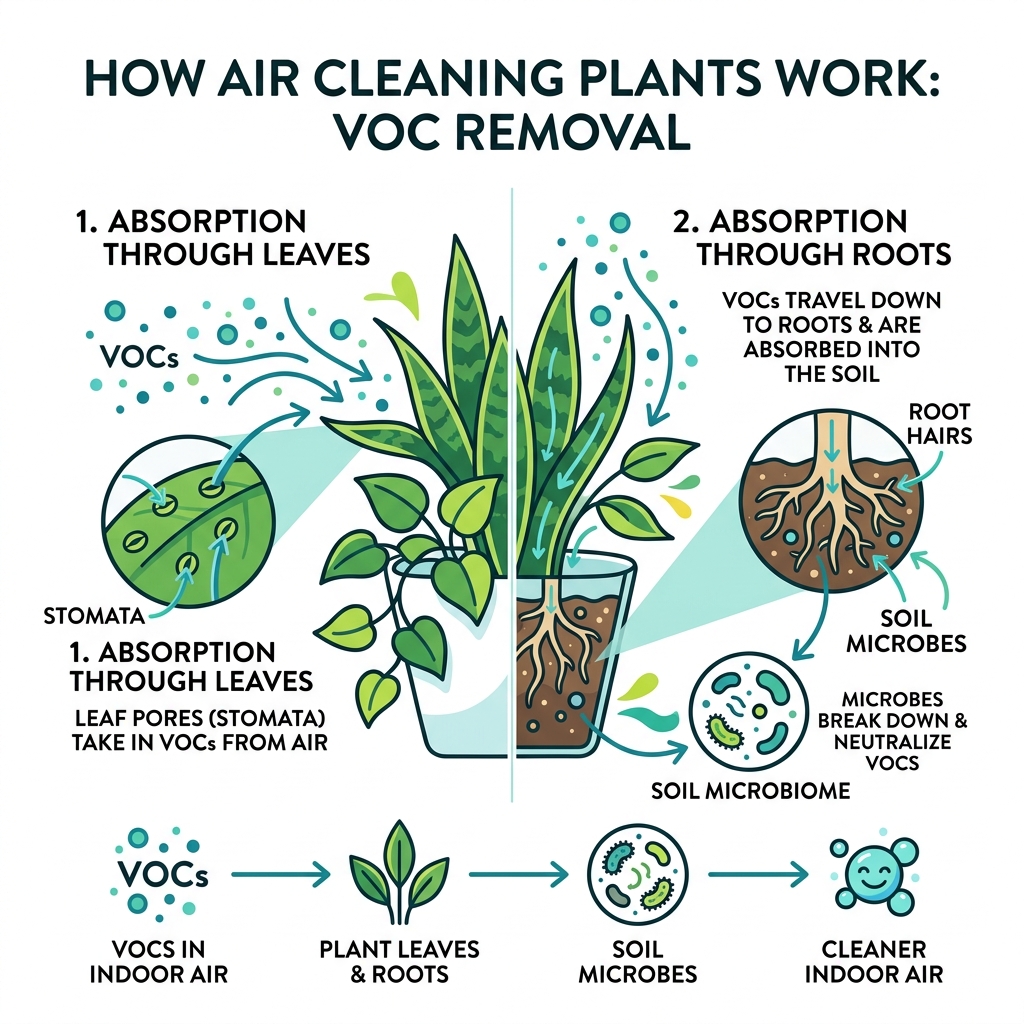
Your furniture, cleaning products, and building materials constantly release chemicals called volatile organic compounds (VOCs) — things like formaldehyde, benzene, and trichloroethylene. These are linked to headaches, respiratory issues, and worse.
NASA researchers studied this problem back in 1989. They found that common houseplants could absorb these compounds through their leaves and roots.
The good news? You don’t need a green thumb to benefit. Many of the most effective air-cleaning plants are also the hardest to kill — thriving on neglect, low light, and irregular watering.
That’s exactly what this guide covers: the best easy-care options, what they remove, and how to keep them alive with minimal effort.
Quick look at easy care air cleaning plants:
The Science of How Easy Care Air Cleaning Plants Filter Toxins
When we talk about plants “cleaning” the air, we aren’t just using a marketing buzzword. There is a fascinating biological process at work called phytoremediation. This is the fancy scientific term for using living plants to clean up soil, air, and water contaminated with hazardous contaminants.
In our homes, the primary targets are Volatile Organic Compounds (VOCs). These sneak into our living spaces via paints, carpets, glues, and even the “new car smell” of fresh furniture. Common offenders include:
- Formaldehyde: Found in plywood, particleboard, and some fabrics.
- Benzene: Used to make plastics, resins, and synthetic fibers.
- Trichloroethylene: Found in printing inks, paints, lacquers, and adhesives.
According to research like the Sansevieria Trifasciata: A Low-Maintenance, Air-Purifying Plant for Improved Indoor Health study, plants like the Snake Plant are powerhouses because they don’t just absorb these toxins through their leaves. They actually transport the toxins down to their root systems, where soil microorganisms break the chemicals down into food for the plant. We’ve explored this further in our guide on how to Purify Indoor Air Naturally.
One of the most unique scientific “tricks” found in certain easy care air cleaning plants is CAM photosynthesis (Crassulacean Acid Metabolism). Most plants breathe out oxygen during the day while they have sunlight. However, plants like the Snake Plant (Dracaena trifasciata) keep their stomata (pores) closed during the heat of the day to conserve water and open them at night. This means they are actively absorbing carbon dioxide and releasing fresh oxygen while you sleep, making them the ultimate bedroom companions.
Understanding this science helps us realize that plants aren’t just decorations; they are functional biological filters. This is especially relevant if you spend long hours in an office, where air can become stagnant. You can read more about How Plants Improve Office Air to see how these green allies boost productivity and wellness.
Top Easy Care Air Cleaning Plants for Every Room
Choosing the right plant depends on your room’s “personality”—is it a sun-drenched kitchen or a windowless bathroom? Fortunately, there is an air-purifying plant for every corner.
To help you decide, we’ve put together a quick reference for the heavy hitters:
| Plant Variety | Best Room | Toxins Removed | Maintenance Level |
|---|---|---|---|
| Snake Plant | Bedroom | Benzene, Formaldehyde | Low (Water monthly) |
| English Ivy | Bathroom | Fecal particles, Mold | Medium (Likes misting) |
| Spider Plant | Living Room | Carbon Monoxide, Xylene | Low (Very hardy) |
| Peace Lily | Office | Alcohols, Acetone | Medium (Needs drainage) |
| ZZ Plant | Hallway | Toluene, Xylene | Very Low (Indestructible) |
If you want to dive deeper into the specific chemicals each plant tackles, check out our list of Houseplants That Remove Toxins.
English Ivy and Calathea: The Aesthetic Purifiers
If you want your air purification to come with a side of high fashion, look no further than English Ivy (Hedera helix) and the Calathea family.
English Ivy is a classic for a reason. Beyond its beautiful trailing vines, it is incredibly effective at removing formaldehyde from the air. Interestingly, studies have also shown it can help reduce airborne fecal matter and mold, which is why it’s often recommended for bathrooms. It’s a vigorous grower—in fact, its roots are so strong they can sometimes break through pots if left unchecked for years!
Calathea, specifically varieties like Calathea lancifolia (Rattlesnake Plant), are famous for their “prayer” habit—they move their leaves up at night and down during the day. While they are slightly more “diva-ish” than a Snake Plant, they are excellent at removing xylene and boosting humidity through a process called evapotranspiration. They love a humid environment, making them perfect Tropical Air Purifying Plants for your home.
Best Easy Care Air Cleaning Plants for Low Light
Not everyone has floor-to-ceiling windows. If you live in a “garden level” apartment or have a hallway that feels like a cave, you can still enjoy clean air.
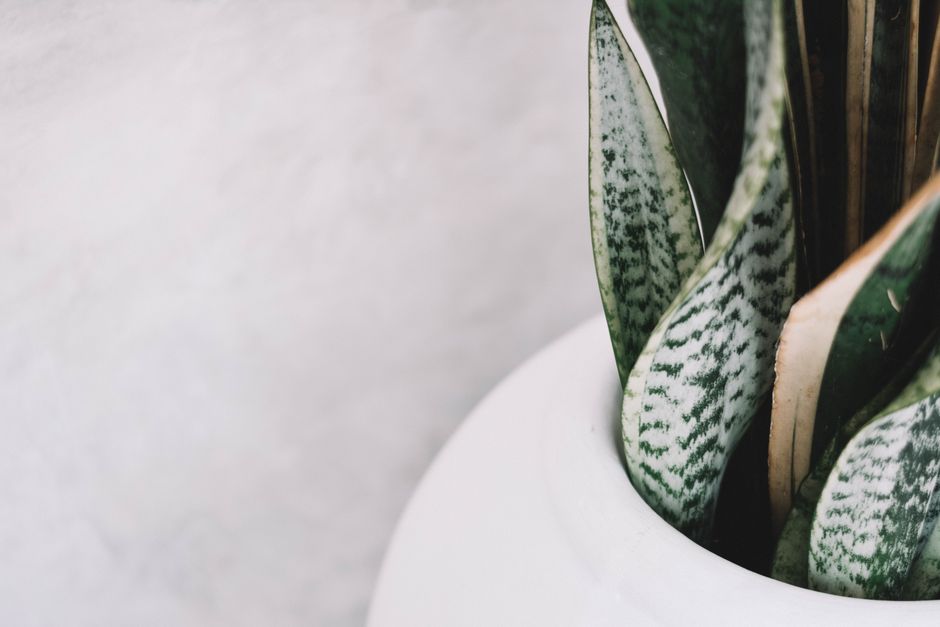
The Snake Plant (Dracaena trifasciata) is the undisputed king of low light. It can survive in near-darkness for weeks, though it grows faster in indirect sunlight. It’s a slow grower, usually only gaining a few inches a year, but it can live for 25 years or more!
Another champion is the ZZ Plant (Zamioculcas zamiifolia). With its waxy, deep green leaves, it looks almost plastic because it’s so perfect. It stores water in potato-like rhizomes under the soil, meaning it only needs a drink every few weeks. We’ve categorized these and others in our guide to Low Light Air Purifying Plants.
Selecting Easy Care Air Cleaning Plants for Pet Owners
We love our furry friends, but many popular air purifiers (like the Peace Lily or Snake Plant) can be toxic if chewed. If you have a cat that thinks every leaf is a snack, you need to be careful.
The Spider Plant is a fantastic, non-toxic choice. It’s famous for producing “babies” or spiderettes that hang down from the mother plant, which you can easily clip off and grow into new plants. It’s incredibly effective, with one plant being enough to filter the air in a 200-square-foot room.
Other pet-safe options include:
- Areca Palm: A beautiful, bushy palm that acts as a natural humidifier.
- Boston Fern: Great for removing xylene and toluene, though it needs consistent moisture.
- Bamboo Palm: Excellent at filtering formaldehyde and safe for both cats and dogs.
For more safe choices, browse our collection of Non-Toxic Air Purifying Plants. Even “safe” plants can cause tummy upsets if eaten in large quantities, so it’s always best to keep them out of reach if possible!
Essential Care Tips for Low-Maintenance Air Purifiers
Keeping easy care air cleaning plants alive doesn’t require a degree in botany. It mostly requires restraint. Most people “kill with kindness” by overwatering.
Here is our “cheat sheet” for success:
- Soil Matters: Use a well-draining potting mix. For desert plants like Snake Plants or ZZ Plants, a cactus or succulent mix is best. For ferns and ivy, a standard peat-based mix works well.
- The Drainage Rule: Never put a plant in a pot without a hole in the bottom. If you love a decorative pot that doesn’t have drainage, keep the plant in its plastic “nursery pot” and place that inside the pretty one.
- Light Levels: Most “easy care” plants prefer bright, indirect light (like the light in a room with a north-facing window). Direct sunlight can actually scorch the leaves, leaving brown, crispy spots.
- Watering: The “Finger Test” is your best friend. Stick your finger an inch into the soil. If it feels damp, wait. If it’s dry, give it a drink.
- Fertilization: Most of these plants are slow eaters. A diluted, balanced liquid fertilizer once or twice during the spring and summer is usually plenty.
For a deeper dive, our Beginner Indoor Plant Care Guide and our tips for Plant Care for Busy People offer more specialized advice. And when your plant eventually outgrows its home, we have a guide for Repotting Air Purifying Plants to make the transition stress-free.
Common Mistakes Beginners Should Avoid
Even with easy care air cleaning plants, things can go sideways if you fall into common traps. We’ve seen it all, and usually, the plant is trying to tell you something.
- The Overwatering Trap: This is the number one plant killer. When roots sit in water, they can’t breathe and start to rot. If your plant’s leaves are turning yellow and feeling mushy at the base, you likely have root rot. Check out our Low Water Air Purifying Plants if you know you tend to be heavy-handed with the watering can.
- Ignoring Dust: Plants breathe through their leaves. If a thick layer of dust builds up, it blocks the stomata and reduces the plant’s ability to clean your air. Wipe leaves down with a damp microfiber cloth every few weeks.
- Sudden Moves: Some plants, like the Weeping Fig (Ficus benjamina), are sensitive to change. If you move them from a dark corner to a bright window too quickly, they might drop all their leaves in protest.
- Cold Drafts: Most air-purifying plants are tropical. If they are near an AC vent or a drafty winter window, they can get “cold shock.” Keep them in temperatures between 60°F and 80°F for the best results.
If you’re worried about your “black thumb,” start with Hardy Air Purifying Plants that are specifically known for surviving common beginner mistakes.
Frequently Asked Questions about Air-Purifying Houseplants
How many plants do I need per room for clean air?
This is the million-dollar question. While NASA’s original study suggested 15 to 18 plants for an 1,800-square-foot house, that can feel like a lot for a beginner. A good rule of thumb is one large plant (in a 6-inch pot or larger) for every 100 to 120 square feet.
For a standard bedroom, two or three well-placed plants are usually enough to provide a noticeable boost in air quality. If you’re looking to optimize your sleep environment, our guide on Plants for Clean Bedroom Air has more specific recommendations on density and placement.
Which plants are best for removing formaldehyde?
Formaldehyde is everywhere, but some plants are specialists at eating it. The Rubber Tree (Ficus elastica) is a top contender, with its large, waxy leaves providing a massive surface area for absorption. The Boston Fern and Peace Lily are also highly ranked by NASA for their ability to scrub this specific toxin from the air. You can find a full list of these specialists in our article on Indoor Plants That Clean the Air.
Can these plants help with indoor allergies?
Yes, but in an indirect way. Plants don’t “eat” pollen, but they do two things very well:
- Dust Trapping: Large-leafed plants like the Rubber Tree or Philodendron act as natural dust magnets, pulling particles out of the air so you don’t breathe them in (just remember to wipe the leaves!).
- Humidity Boost: Plants like the Areca Palm release moisture into the air. This increased humidity can soothe irritated sinuses and keep the lining of your nose and throat hydrated, which helps your body filter out allergens naturally.
Explore our dedicated resource on Indoor Plants for Allergy Relief for more tips on creating a sneeze-free sanctuary.
Conclusion
At Financedora, we believe that a healthy home is the foundation of a healthy life. Investing in easy care air cleaning plants is a small, sustainable choice that pays dividends in the form of clearer heads, better sleep, and a more beautiful living space.
Whether you start with a single, “indestructible” Snake Plant or go all-out with a lush collection of English Ivy and Calathea, you are taking a step toward a more natural, toxin-free lifestyle. These plants don’t ask for much—just a little light, a splash of water, and a spot in your home. In return, they work 24/7 to ensure the air you breathe is as pure as nature intended.
Ready to transform your space into a green sanctuary? Start your indoor garden today and breathe easy knowing your “wonder plants” have your back.
