
Your Living Room Is Missing a Leafy Therapist (Here’s Why That Matters)
Mood enhancing house plants are a simple, low-maintenance way to reduce stress, lift your spirits, and transform your home into a calmer space. Here are the top options to get started:
| Plant | Best For | Care Level |
|---|---|---|
| Snake Plant | Stress relief, better sleep | Very easy |
| Pothos | Instant mood lift, beginners | Very easy |
| Peace Lily | Air purification, calm | Easy |
| Lavender | Anxiety relief, aromatherapy | Moderate |
| Spider Plant | Playful energy, small spaces | Very easy |
| Monstera | Mindfulness, bold interiors | Easy |
| Aloe Vera | Self-sufficiency, air quality | Very easy |
| ZZ Plant | Low-light offices, calm | Very easy |
| Rosemary | Focus, memory, alertness | Moderate |
| Jade Plant | Resilience, symbolism | Easy |
Most of us know that a walk in the park feels good. But few people realize you can get similar benefits without leaving your living room.
Research consistently shows that even brief interactions with plants — as little as 20 minutes, or just one or two small plants nearby — can measurably boost mood and reduce feelings of anxiety and depression. Studies have also found that being around plants lowers blood pressure and dials down the sympathetic nervous system, the part of your body responsible for the “fight or flight” stress response.
This isn’t just about aesthetics.
There’s a concept called biophilia — our innate, hardwired love of living things. It explains why a leafy corner in your home can trigger the same warm feelings you get from interacting with a pet. Plants tap into something deep in human biology.
And the benefits go beyond just looking at them. The soil itself contains Mycobacterium vaccae, a natural microbe that stimulates serotonin production when you get your hands in it. That means even the simple act of repotting a plant can shift your brain chemistry in a positive direction.
For busy urban homeowners, that’s a powerful return on a very small investment.

The Science Behind Mood Enhancing House Plants
If you’ve ever felt a wave of relief after stepping into a greenhouse, you aren’t imagining things. Science has spent decades trying to figure out exactly why greenery makes us feel so much better. One of the primary drivers is the reduction of cortisol, the body’s main stress hormone. High cortisol levels are linked to everything from poor sleep to weight gain and anxiety. Simply being in the presence of plants has been shown to physically lower blood pressure and suppress sympathetic nervous system activity.
When our “arousal” nervous system is dialed down, we feel a sense of calm. This is more than just a psychological trick; it’s a physiological response. According to Scientific research on houseplants for wellbeing, the presence of indoor plants can improve mood, attention span, and even pain tolerance.
One of the most fascinating scientific discoveries involves the soil itself. A microbe found in soil called Mycobacterium vaccae has been shown to stimulate the production of serotonin in the human brain. Serotonin is the “feel-good” chemical that stabilizes our mood and produces feelings of well-being and happiness. This means that “getting your hands dirty” isn’t just a metaphor for hard work—it’s a legitimate antidepressant.
Furthermore, we can’t ignore the air we breathe. The famous NASA Clean Air Study proved that many mood enhancing house plants filter out volatile organic compounds (VOCs) like formaldehyde and benzene. These toxins are commonly found in household items like carpets and furniture. Breathing cleaner air is directly correlated with better focus and reduced mental fatigue. For more on how this works, you can explore More info about wellness benefits of greenery.
Finally, certain plants even affect our brain waves. For example, the scent of lavender has been found to increase alpha wave activity. This specific type of brain activity is associated with “relaxed alertness,” the state of mind you might experience during meditation or light creative work.
Top 10 Leafy Therapists for Your Home
Selecting the right plant is like choosing the right therapist—you want someone who fits your lifestyle and makes you feel at ease. Here are our top picks for a happier home.
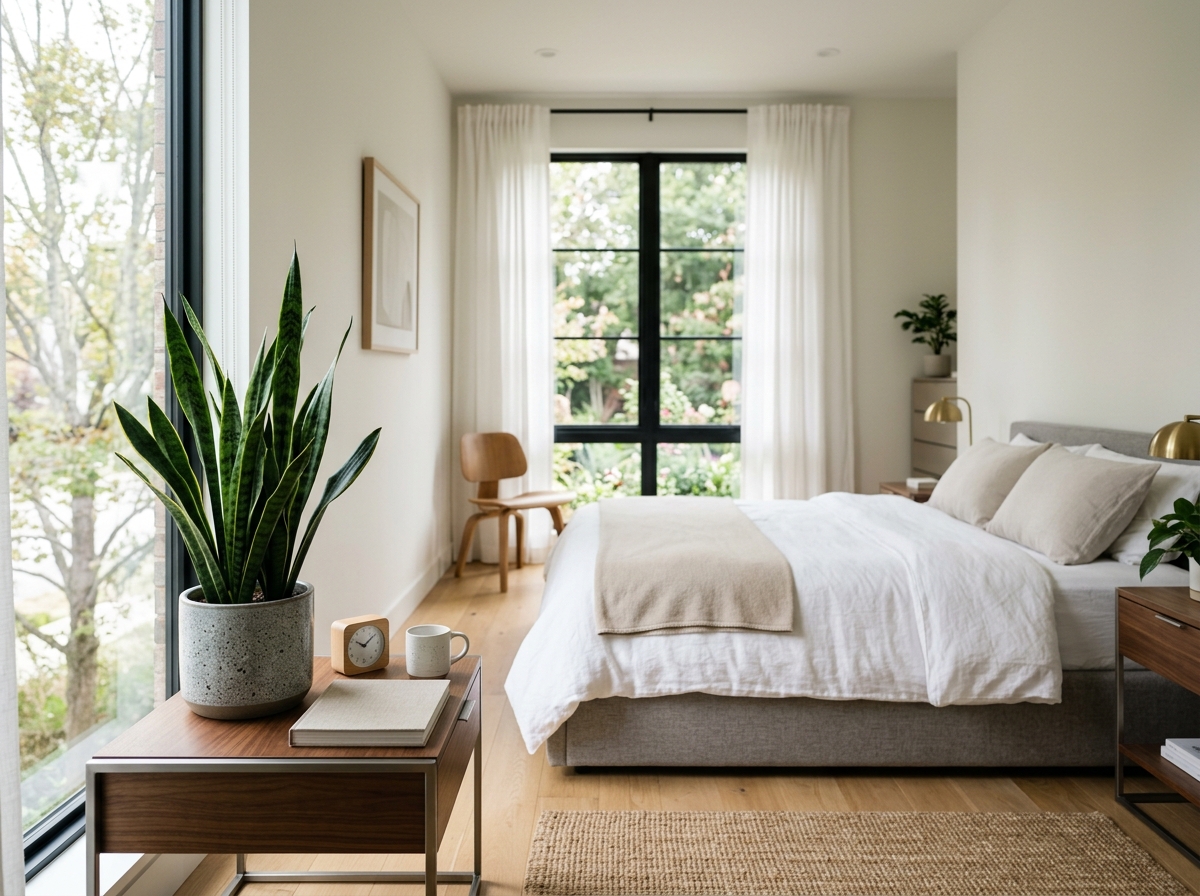
1. Snake Plant (Sansevieria)
The Snake Plant is often called “unkillable,” which is a mood booster in itself for those of us who lack a green thumb. Beyond its resilience, it is one of the few plants that produces oxygen at night, making it an ideal companion for the bedroom. By improving nighttime air quality, it can lead to better sleep and improved mental clarity the next morning. It’s a powerhouse for removing toxins like formaldehyde, as noted in Scientific research on plants and emotional wellness.
2. Peace Lily (Spathiphyllum)
The Peace Lily is a “communicator.” When it’s thirsty, its leaves droop dramatically, only to perk up within hours of being watered. This visible response provides a sense of accomplishment and connection. Scientifically, Peace Lilies excel at VOC removal, which helps create a stress-free “buffer” in rooms like home offices or bathrooms.
3. Lavender (Lavandula)
While usually thought of as an outdoor herb, Lavender can thrive indoors with enough sunlight. Its psychological benefits are legendary. Inhaling its scent reduces anxiety and promotes a state of relaxed alertness. It’s a natural choice for anyone looking to cultivate a “zen” atmosphere.
4. Aloe Vera
Aloe Vera offers a sense of self-sufficiency. Knowing you have a living first-aid kit on your windowsill for minor burns or skin irritations boosts your confidence and connection to nature. It also acts as an air quality monitor; if harmful chemicals are high, the leaves may develop brown spots. Discover more about how these choices impact your life in More info about indoor plants for mental health.
5. Monstera Deliciosa
The “Swiss Cheese Plant” is a living piece of art. Watching a new, giant leaf unfurl is a deeply satisfying experience that encourages mindfulness. Its large, lush green leaves trigger a strong biophilic response, which has been shown to lower cortisol levels significantly.
6. Rubber Plant (Ficus Elastica)
With its thick, glossy leaves, the Rubber Plant is a symbol of abundance. Its presence is linked to increased feelings of happiness and relaxation. It’s also a champion at clearing toxins from the air, making your indoor environment feel “fresher” and more alive.
7. Rosemary
Rosemary isn’t just for the kitchen. Its aroma contains compounds like 1,8-cineole, which directly stimulate the brain’s memory centers. Keeping a rosemary plant on your desk can improve memory retention, alertness, and overall cognitive performance.
8. Philodendron Heartleaf
This plant is the definition of “forgiving.” Its heart-shaped leaves create a sense of lushness even in smaller spaces. Because it grows vigorously, it provides instant gratification, making you feel like a successful plant parent almost immediately.
9. Anthurium
If you need a pop of color, Anthurium is your go-to. Its vibrant red or pink bracts symbolize hospitality and happiness. Unlike cut flowers that die in a week, Anthurium blooms can last for months, providing long-term visual pleasure and a constant mood lift.
10. Boston Fern
The Boston Fern acts as a natural humidifier. In dry indoor environments, which are often linked to headaches and fatigue, the fern releases moisture through transpiration. The gentle rustling of its fronds also provides a soothing sensory experience.
Best Mood Enhancing House Plants for Beginners
If you are new to indoor gardening, the last thing you want is a high-maintenance plant that adds to your stress. You need “easy wins.”
- Pothos (Devil’s Ivy): This is perhaps the most rewarding plant for beginners. It grows incredibly fast, providing a sense of achievement. It’s also very easy to propagate in water, allowing you to share “babies” with friends—a great way to boost social connection and self-confidence.
- ZZ Plant (Zamioculcas Zamiifolia): The ZZ plant is the king of low-stress care. It thrives in low light and needs very little water, making it perfect for busy professionals. Its stable, glossy presence acts as a grounding force in overstimulating environments.
- Jade Plant: Known as the “friendship plant” or “money tree,” the Jade plant symbolizes prosperity and resilience. It is a succulent, meaning it is drought-tolerant and can handle a bit of neglect. For more tips on low-maintenance greenery, check out More info about indoor plants that reduce stress.
Mood Enhancing House Plants for Small Spaces and Offices
You don’t need a sprawling sunroom to enjoy the benefits of mood enhancing house plants.
- Succulents: These are ideal for office desks because they can be placed at eye level. Looking at a small, intricate plant during a stressful workday provides a “micro-break” for your brain, helping to restore focus.
- Air Plants (Tillandsia): These don’t even need soil! They offer a minimalist beauty that fits perfectly on bookshelves or in hanging glass terrariums. Their unique shapes add a playful energy to any room.
- Spider Plant: These are fantastic for vertical spaces. They produce “pups” that dangle down like tiny stars, adding a dynamic and whimsical feel to your home. They are also highly effective at carbon dioxide reduction, which is vital for maintaining alertness in stuffy offices. Learn more about optimizing your workspace in More info about indoor plants for better focus.
Cultivating Calm: Care Routines as Mindfulness
The benefits of mood enhancing house plants aren’t just passive. The act of caring for them is where much of the magic happens.
When we engage in a routine—watering, misting, or pruning—we enter what psychologists call a “flow state.” This is a period of deep immersion where the chatter of the outside world fades away. This focus on the present moment is the essence of mindfulness.
Caring for a living thing triggers a dopamine release. When you see a new leaf unfurl on your Monstera or a Peace Lily perk up after a drink, your brain rewards you with a sense of accomplishment. This nurturing instinct helps us feel more connected and responsible, which can be a powerful antidote to feelings of helplessness or loneliness.
Plants also teach us valuable life lessons. They show us that growth isn’t always linear, that it’s okay to have “dormant” periods, and that resilience is possible even after a setback (like a missed watering). To dive deeper into the emotional side of gardening, see More info about emotional benefits of indoor gardening.
Strategic Placement and Safety Considerations
To maximize the mood-boosting effects, you need to think about where your “leafy therapists” live.
| Room | Recommended Plant | Benefit |
|---|---|---|
| Bedroom | Snake Plant | Oxygen at night, better sleep |
| Home Office | Rosemary / ZZ Plant | Focus and low-stress maintenance |
| Living Room | Monstera / Rubber Plant | Bold visual impact, cortisol reduction |
| Bathroom | Peace Lily / Boston Fern | High humidity lovers, air purification |
| Kitchen | Aloe Vera / Herbs | Practical use and vibrant energy |
Safety and Pet-Safe Options
While we love our plants, we also love our pets. It’s important to note that some popular plants, like the Peace Lily and Philodendron, can be toxic to dogs and cats if ingested. If you have furry friends, look for these pet-safe mood enhancing house plants:
- Calathea (Prayer Plant): These are stunning and completely safe. They also “move”—their leaves fold up at night like hands in prayer, adding a fascinating rhythm to your home.
- Boston Fern: A lush, safe option that loves a humid bathroom.
- Spider Plant: Safe for pets and fun for them to watch (though maybe keep them out of reach so they don’t get chewed!).
For a full guide on selecting the right variety for your specific home layout, read More info about mood-boosting indoor plants.
Feng Shui and Energy Flow
In Feng Shui, plants are used to balance the “Qi” (energy) in a home. Pointy plants like the Snake Plant are often placed near entrances to provide “protective” energy, while round-leaved plants like the Jade Plant are placed in “wealth corners” to invite prosperity. Regardless of your beliefs, the visual flow of greenery helps break up the harsh lines of modern furniture, creating a more organic and inviting space.
Frequently Asked Questions about Plant Therapy
How quickly can I expect to notice mood improvements?
You might feel an immediate sense of visual relief the moment you place a plant in a room. However, physiological calming—like lowered heart rate and blood pressure—usually happens within 20 minutes of interaction. Long-term benefits, such as reduced feelings of depression, typically develop as you build a care routine and see the plant thrive over several weeks.
Are there specific plants for seasonal affective disorder (SAD)?
Yes! When the “winter blues” hit, vibrant colors and light-reflecting leaves can help. The Dracaena Lemon Lime features bright neon-green leaves that can liven up a grey January day. Similarly, the Silver Pothos has satiny leaves that reflect ambient light, making a dark room feel significantly brighter and more cheerful.
Do houseplants really purify air enough to reduce stress?
While you would need a small jungle to replace a high-end mechanical air purifier, plants do measurably remove toxins like formaldehyde and benzene. More importantly, the psychological knowledge that your air is cleaner helps reduce health-related anxiety. The NASA Clean Air Study confirms that plants are effective biological filters, and breathing “living” air simply feels better than breathing stale, indoor air.
Conclusion
At Financedora, we believe that true wellness starts at home. Incorporating mood enhancing house plants into your living space is more than just a decor trend; it is a commitment to your mental health and long-term happiness. Whether you start with a single “unkillable” Snake Plant or transform your living room into a lush sanctuary, the benefits of indoor gardening are undeniable.
From the dopamine boost of a new leaf to the serotonin-stimulating microbes in the soil, nature provides us with all the tools we need to cultivate a calmer, more joyful life.
Ready to turn your home into a sanctuary? Start your journey with Financedora and explore more ways to invest in your well-being today.
