
The Best Shell Hanging Plant Baskets for a Coastal Home
Shell hanging plant baskets are one of the easiest ways to bring a breezy, coastal feel to any indoor or outdoor space — and the options available today suit every budget and style.
Quick answer: top types of shell hanging plant baskets to buy:
| Type | Best For | Key Feature |
|---|---|---|
| Natural shell baskets (Cowrie, Capiz, Nassa) | Authentic coastal decor | Real seashells woven in |
| Faux rattan seashell baskets | Outdoor durability | Weather-resistant, pre-lined |
| Macrame + shell hangers | Boho/coastal blend | Jute or cotton rope with shell accents |
| Spherical shell-style baskets | Maximum plant coverage | 360° planting surface |
Whether you want real shells hand-woven into a natural basket or a durable faux-rattan design with a seashell-inspired shape, there’s a style that fits your space and schedule.
These planters do more than look good. Their open, airy construction allows for better airflow around plant roots, and many come pre-lined so you can simply add compost and plant — no fuss, no extra tools needed.
For busy homeowners who want great-looking greenery without a lot of upkeep, shell hanging baskets are a smart, stylish choice.

What Defines Authentic Shell Hanging Plant Baskets?
When we talk about shell hanging plant baskets, we are usually referring to one of two things: a basket constructed from or adorned with real marine shells, or a planter designed with a “seashell” aesthetic using synthetic or natural fibers. Authentic shell baskets are often a labor of love, frequently featuring hand-woven rattan, seagrass, or jute as a base, which is then embellished with various types of seashells.
What sets these apart from your standard plastic or wire planter is the texture. The contrast between the ruggedness of a woven basket and the smooth, iridescent surface of a shell creates a focal point that screams “vacation vibes.” However, beauty comes with practical considerations. Natural shells can add significant weight to a planter, especially once you add damp soil and a thriving plant.
Durability is another factor we always consider. While real shells are incredibly hardy in the face of salt spray (they did come from the ocean, after all!), the fibers holding them together—like untreated rattan or thin twine—can degrade if left in harsh rain for years. If you are working with limited horizontal surfaces, these vertical beauties are perfect companions to diy-plant-shelves-for-small-spaces to maximize your greenery footprint.
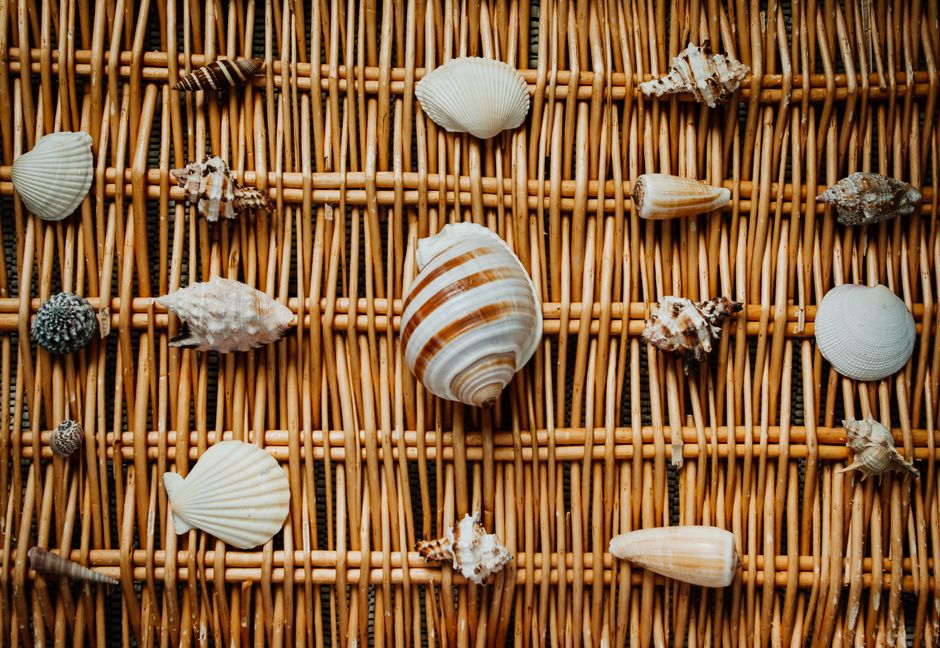
Natural Shell Varieties for Your Garden
If you are looking for the “real deal,” you’ll encounter several specific shell species used in the construction of these baskets. Each brings a different color palette and “mood” to the garden:
- Money Cowrie: These small, smooth, cream-colored shells are often woven into the body of the basket. They are incredibly durable and provide a classic, historical look.
- Capiz: Known as windowpane oysters, these are flat and translucent. They are often used in “shell chandeliers” or as dangling accents that chime softly in the wind.
- Nassa: These tiny, pointed shells are frequently used in macrame-style hangers to add intricate detail to the knots.
- Strawberry Shells: These add a pop of pinkish-red color, perfect for those who want a more vibrant coastal look rather than just neutrals.
- Snake Head Cowrie: Often paired with white annulus shells, these provide a striking dark-and-light contrast.
Shell-Inspired Faux Rattan Designs
For those of us who live in climates where the weather isn’t always “sunny and 75,” faux rattan is a lifesaver. Many modern shell hanging plant baskets are made from high-quality, weather-resistant plastic that mimics the look of natural rattan but won’t rot or mold.
A popular standard in the industry is the 14-inch basket. These typically hold about 7 to 7.5 liters of compost, providing enough root space for a lush display without becoming so heavy that they pull the hook out of your porch ceiling. These “seashell shade” planters often come pre-lined, which is a massive time-saver for us weekend gardeners. You don’t have to worry about the soil washing out the sides every time you water.
Popular Designs for Shell Hanging Plant Baskets
The world of coastal planters is surprisingly diverse. You aren’t limited to a simple bowl shape. From bohemian macrame to grand shell chandeliers, the design you choose can completely change the energy of your room or patio.
| Feature | Natural Shell Baskets | Faux Rattan Shell Baskets |
|---|---|---|
| Material | Real shells, seagrass, jute | UV-stabilized synthetic rattan |
| Best Placement | Indoors or sheltered porches | Fully exposed gardens/balconies |
| Aesthetic | Authentic, artisan, unique | Clean, contemporary, uniform |
| Maintenance | Dusting, occasional fiber check | Rinse with a hose |
| Weight | Heavier due to shell density | Lightweight and easy to hang |
If you’re feeling adventurous and want to try making your own indoor displays, check out our guide on indoor-hanging-plant-diy for more inspiration.
Macrame and Shell Combinations
Macrame has made a huge comeback, and it pairs perfectly with the coastal theme. These hangers usually use sturdy jute rope or cotton twine. The “shell” element is often integrated into the tassels or woven into the “belly” of the hanger where the pot sits.
Some designs even feature a large, single shell—like a giant clam or a conch—as the actual vessel for the plant, held aloft by intricate knots. We love seeing these paired with starfish accents for a true “under the sea” look. They are lightweight, flexible, and bring a soft, organic texture to your decor.
Creating a Spherical Shell Hanging Plant Basket
If you want a “flower ball” effect that looks like a floating planet of blossoms, the spherical design is the way to go. While you can buy these pre-made, many enthusiasts create them by joining two semi-circular baskets together.
To do this, we use coir (coconut fiber) liners in both halves. After filling them with soil, you secure the two baskets together using heavy-duty zip ties. The trick to a professional look is the 3-inch spacing rule: cut small holes in the liner every 3 inches and tuck your plants through the sides. Within a few weeks, the plants grow to cover the entire structure, including the basket and any shell decorations, leaving you with a breathtaking orb of color.
Best Plants for Your Coastal Shell Planter
Choosing the right plant is just as important as the basket itself. Since shell hanging plant baskets are often associated with the beach, we like to use the “Thriller, Filler, Spiller” method to create a professional-looking arrangement.
- Thriller: A central, upright plant that grabs attention (like a small ornamental grass).
- Filler: Mounded plants that fill the space (like Begonias).
- Spiller: Trailing plants that hang over the edges to soften the look of the shells (like Ivy or String of Pearls).
For more ideas on how to arrange your plants in tight quarters, our article on diy-plant-shelves-for-small-spaces-2 offers great vertical gardening tips.
Flowering Annuals and Succulents in Shell Hanging Plant Baskets
If your basket will be in a sunny spot, petunias are the gold standard. They are “spillers” that come in every color imaginable. For shadier spots, impatiens provide that same lush coverage.
However, if you want a low-maintenance coastal look, succulents are the way to go. Sedum and “String of Dolphins” look incredible against the backdrop of natural shells. If you have a shell macrame hanger that doesn’t have a lot of soil capacity, air plants (Tillandsia) are your best friend. They don’t need soil at all—just a misting of water and a cozy spot tucked into a Nassa or Cowrie shell. These are perfect for diy-plant-stands-for-desks if you decide to move your shells indoors.
Edible Plants for Shell Hanging Plant Baskets
Who says a shell basket can’t be functional? We love the idea of a “hanging snack station.”
- Tumbling Tomatoes: These varieties are bred specifically to trail downward rather than grow up a stake.
- Strawberries: They produce beautiful white or pink flowers before the fruit appears, and the berries hanging against the shells look charming.
- Herbs: Mint, thyme, and trailing rosemary thrive in the well-drained environment of a hanging basket.
Planting and Maintenance Tips for Longevity
To keep your shell hanging plant baskets looking like they just stepped out of a magazine, you need to start with the right foundation. We always recommend using a peat-free multi-purpose compost. Because hanging baskets are exposed to the wind on all sides, they dry out much faster than pots on the ground.
Adding moisture-retentive crystals to your soil mix can be a lifesaver—they act like tiny sponges that hold onto water and release it as the soil dries. We also suggest mixing in a slow-release fertilizer at the start of the season so your plants have a steady “snack” for several months. For those who enjoy building their own garden accessories, you might find our tips on diy-plant-stands-for-desks-2 helpful for organizing your potting station.
Proper Drainage and Watering
Drainage is the secret to plant health. If your basket is pre-lined with plastic, make sure there are drainage holes at the bottom. If you are using a coir or moss liner, water will naturally seep through.
During the height of summer, a hanging basket might need watering every single day. We like to water slowly until we see it start to drip from the bottom—this ensures the water has reached the center of the root ball. If your basket uses metal chains or wires, look for those with rust protection (like a powder coating or lacquer) to prevent orange streaks from staining your beautiful shells. For more desk-side plant care, see diy-plant-stands-for-desks-3.
Frequently Asked Questions about Shell Hanging Plant Baskets
How much weight can a shell hanging basket hold?
Most standard 14-inch baskets are designed to hold between 7 and 10 kilograms (about 15-22 lbs) once watered. Always ensure your ceiling hook or wall bracket is rated for at least double that weight to be safe. Natural shell baskets are heavier than plain plastic ones, so factor that in!
Are shell baskets suitable for outdoor use?
Yes, but it depends on the material. Faux rattan and real seashells are very weather-resistant. However, the “skeleton” of the basket (the rope or metal frame) is what usually fails first. Look for UV-treated ropes and rust-resistant metals for the best outdoor longevity.
How do I clean natural shell planters?
Over time, shells can collect dust or algae. We recommend a gentle spray with a hose or a wipe-down with a damp cloth. Avoid harsh chemical cleaners, as they can strip the natural luster (nacre) from shells like Capiz or Cowrie.
Conclusion
Embracing the coastal lifestyle is all about bringing the serenity of the ocean into your daily environment. Shell hanging plant baskets offer a unique blend of natural artistry and practical gardening. Whether you choose the rugged charm of hand-woven Cowrie shells or the durability of a seashell-inspired rattan basket, you’re creating a home for your plants that is as beautiful as it is functional.
At Financedora, we believe that home styling should be accessible, fun, and a reflection of your personal journey. By choosing the right materials and following a few simple maintenance steps, your coastal garden will thrive for seasons to come. For more inspiration on transforming your living space, explore our More DIY gardening ideas and start your next project today!
